
Why Wildfire Mitigation Matters in Fort Wayne, Indiana
Wildfire mitigation for the Fort Wayne area is a professional land management strategy designed to reduce hazardous fuel loads, create defensible space, and protect critical infrastructure from the increasing threat of brush and grass fires in Northern Indiana. As regional weather patterns shift toward longer dry spells and higher temperatures, the necessity for professional intervention has become paramount. Brush Tamer, established in 2021, provides the specialized expertise and heavy machinery required to transform vulnerable landscapes into fire-resilient properties across Allen County and the surrounding regions.
Historically, Northern Indiana was considered a low-risk zone for significant wildfire activity. However, changing environmental conditions have elevated the risk profile for communities such as New Haven, Huntertown, Leo-Cedarville, and Grabill. The accumulation of unmanaged vegetation—ranging from invasive autumn olive to dense phragmites in drainage areas—creates a continuous fuel bed that can facilitate rapid fire spread. Professional mitigation is no longer an optional luxury but a critical component of property stewardship for those living in the Wildland-Urban Interface (WUI).
The WUI represents the zone where human development meets undeveloped wildland. In the Fort Wayne metropolitan area, this includes suburban neighborhoods bordering woodlots, agricultural properties with overgrown fencerows, and commercial sites adjacent to nature preserves. Brush Tamer specializes in managing these transition zones, utilizing advanced forestry mulching and land clearing techniques to break the continuity of fuels. By engaging professional services, property owners in communities like Columbia City, Auburn, and Angola can significantly reduce the probability of structural ignition during a wildfire event.
Effective wildfire mitigation is an ongoing, technical land management process rather than a one-time task. It requires a deep understanding of local ecology, fuel types, and fire behavior. Brush Tamer designs comprehensive, long-term vegetation management programs that address the specific needs of Northern Indiana and Lower Michigan landscapes. Our authoritative approach ensures that every project—from small residential buffers to large-scale municipal fuel breaks—is executed with precision, utilizing industrial-grade equipment that far exceeds the capabilities of standard landscaping tools.
Understanding Fort Wayne’s Evolving Wildfire Risk
Fort Wayne’s wildfire risk is characterized by a significant increase in “dangerous fire weather days,” with climate models projecting that 74% of local buildings now face some level of wildfire exposure. This shift from a historically low-risk environment to an emerging regional hazard is driven by a combination of rising average temperatures and altered precipitation patterns. Professional data analysis indicates that the number of days exceeding 90°F in Fort Wayne is expected to quadruple by 2050, creating a landscape that is increasingly susceptible to ignition from both natural and human causes.
Communities throughout the region, including Warsaw, Bluffton, Huntington, and Decatur, are seeing similar trends. The risk is not limited to large forest fires; rather, the primary threat in Northern Indiana consists of fast-moving brush and grass fires that can quickly transition into the crowns of trees or ignite structures. Unmanaged vegetation along field edges, drainage ditches, and utility corridors serves as a primary conduit for fire spread. Brush Tamer addresses these risks by implementing strategic fuel reduction plans that target high-hazard vegetation before it becomes a liability.
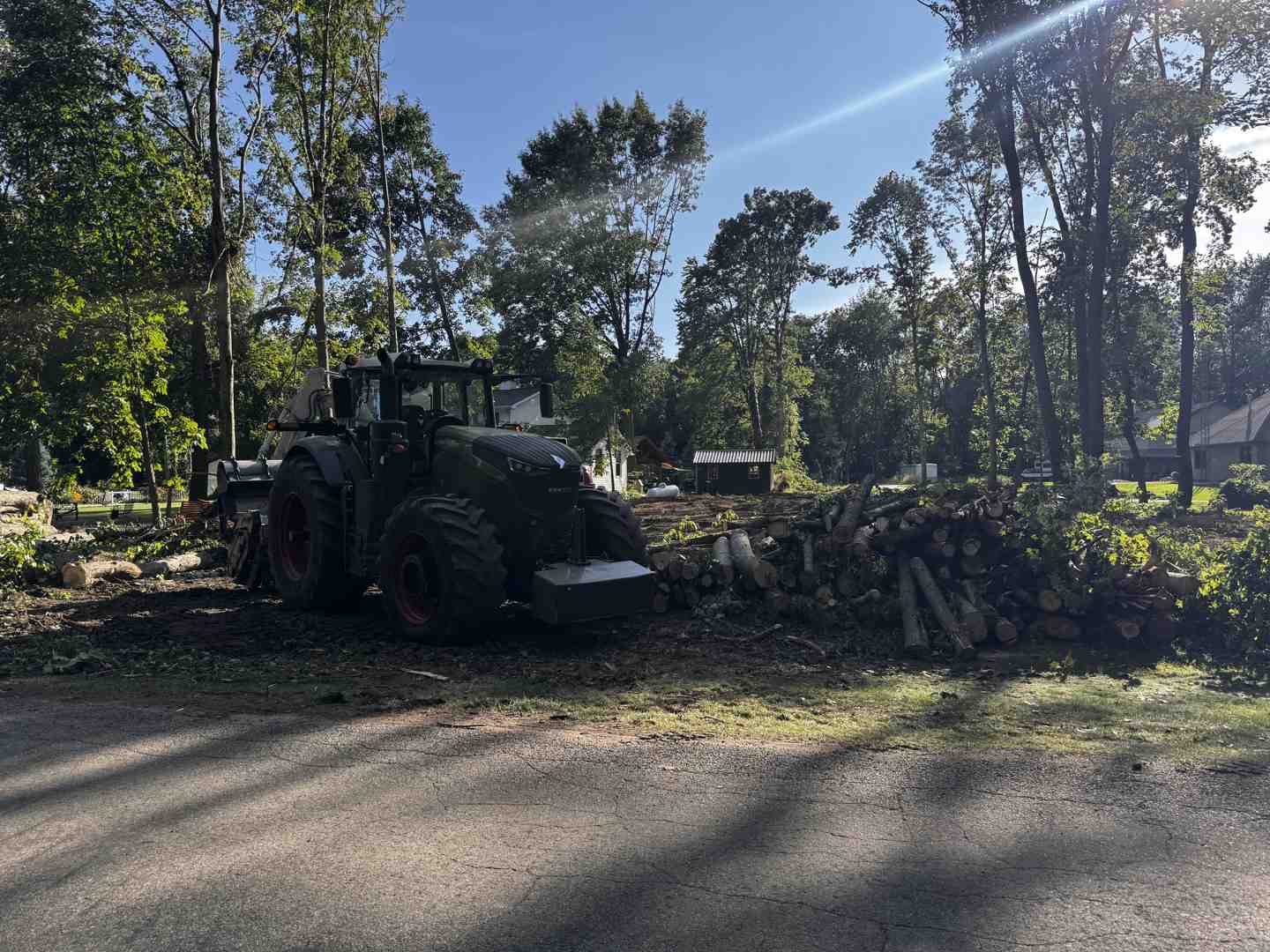
The Wildland-Urban Interface (WUI) in Northern Indiana and Lower Michigan
The Wildland-Urban Interface (WUI) is the geographical area where structures and other human development meet or intermingle with undeveloped wildland or vegetative fuels. In our service region, this interface is expanding as residential development pushes into previously agricultural or forested lands. Specific high-risk WUI zones include:
- Allen County Subdivisions: Neighborhoods in Fort Wayne and New Haven that border dense woodlots or riparian corridors.
- St. Joseph County Corridors: Residential areas in South Bend and Mishawaka adjacent to the St. Joseph River and local park systems.
- Agricultural Edges: Properties in Goshen, Elkhart, and Rochester where overgrown fencerows and windbreaks meet residential structures.
- Lakefront Properties: Homes in the lakes regions of Angola, Indiana, and Coldwater, Michigan, where dense lakeside vegetation creates unique fire corridors.
Properties within these zones require professional assessment to identify specific vulnerabilities. Brush Tamer’s expertise in WUI management allows us to create customized fuel breaks that protect high-value assets while maintaining the aesthetic and ecological integrity of the land.
Climate Projections and Fire Weather Trends
Climate change acts as a force multiplier for wildfire risk in the Great Lakes region. According to ClimateCheck data for Fort Wayne, the region is experiencing a shift toward more extreme weather volatility. While total annual precipitation may remain stable or slightly increase, the timing of that precipitation is changing. Longer periods of drought between intense rain events lead to the rapid drying of “fine fuels” like grasses and shrubs, which can ignite and burn with high intensity.
By 2050, the Fort Wayne area is projected to experience approximately 42 days per year above 91.7°F, a massive increase from the historical average of 7 days. This heat, combined with the projected increase in the share of precipitation falling during major downpours (from 39% to 44%), creates a cycle of rapid vegetative growth followed by extreme drying. Brush Tamer monitors these local climate trends to ensure our mitigation strategies—such as those detailed in the Fort Wayne Heat Study—are robust enough to handle future conditions.
The Core of Community Defense: Wildfire Protection Plans (CWPPs)
A Community Wildfire Protection Plan (CWPP) is a formal, collaborative document that identifies high-risk areas and prioritizes professional fuel reduction projects to safeguard lives and property across the Wildland-Urban Interface. These plans are essential for coordinating efforts between municipal governments, fire departments, and professional contractors like Brush Tamer. For cities like Fort Wayne, a CWPP serves as the strategic roadmap for large-scale mitigation, ensuring that individual property work aligns with broader community safety goals.
Since our founding in 2021, Brush Tamer has recognized that effective wildfire defense requires a landscape-scale approach. A CWPP allows a community to move beyond reactive fire suppression and toward proactive risk management. By identifying critical infrastructure—such as power substations, water treatment facilities, and evacuation routes—communities can prioritize professional land clearing in the areas where it will have the greatest impact. This collaborative framework is particularly effective in regions like Northern Indiana and Southwest Michigan, where land ownership is a complex mosaic of private, public, and agricultural parcels.
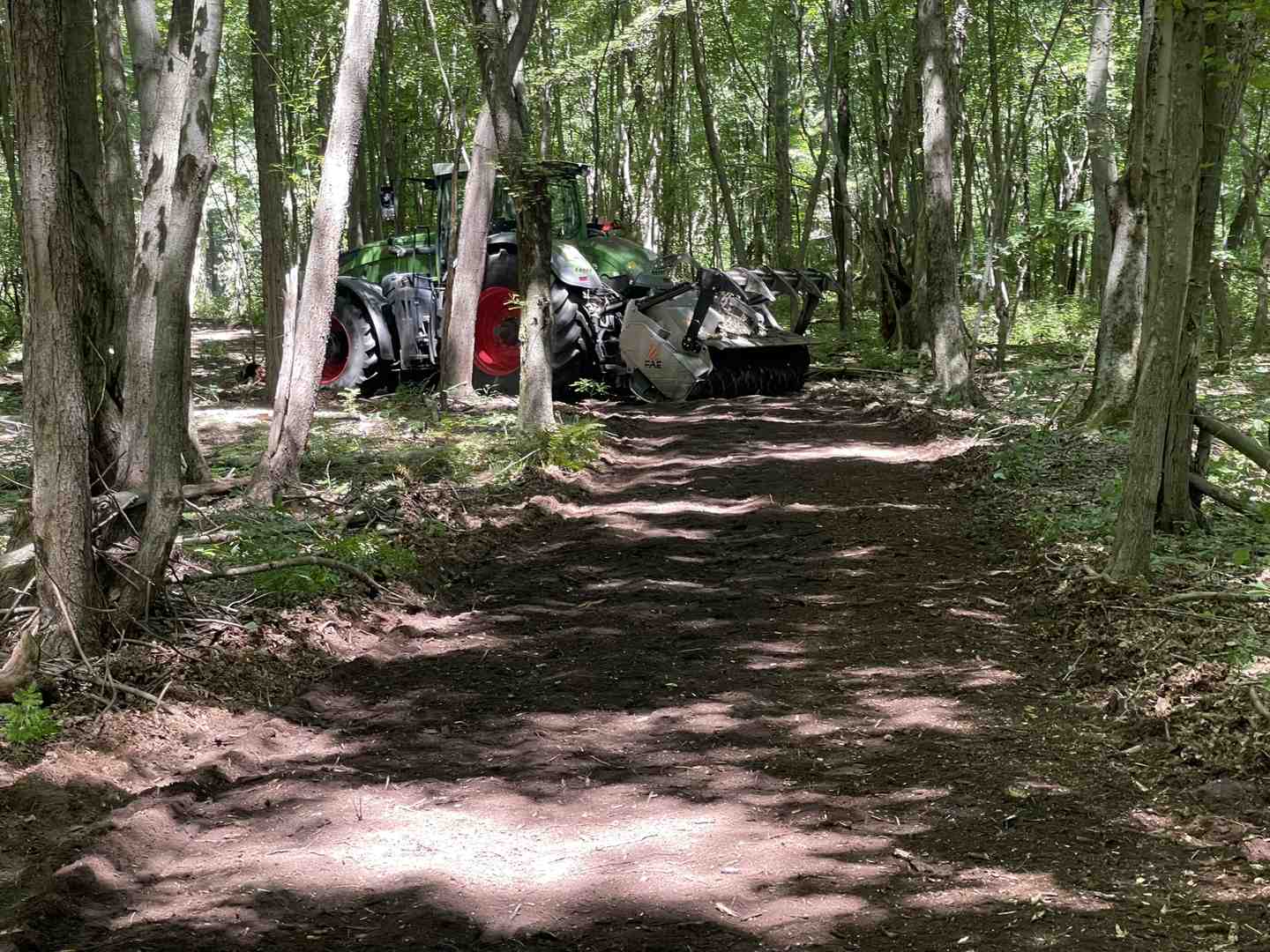
Essential Components of Professional CWPP Implementation
An effective CWPP is only as strong as its implementation. Brush Tamer provides the technical field capacity to execute the high-priority projects identified in these plans. Key components of a successful plan include:
- Hazard Identification and Mapping: Utilizing GIS data and on-site assessments to identify areas with high fuel loads and limited access for emergency vehicles.
- Prioritized Fuel Reduction: A scheduled plan for professional thinning, forestry mulching, and the creation of strategic firebreaks in high-risk zones.
- Structural Ignitability Reduction: Professional recommendations for home hardening that complement the vegetation management performed by Brush Tamer.
- Resource Allocation: Identifying the specific machinery and personnel required to maintain fuel breaks over time, ensuring the plan remains effective for decades.
Research into CWPP effectiveness confirms that communities with active plans and professional maintenance contracts are significantly better prepared for wildfire events than those without.
Leveraging Federal Grants for Professional Mitigation
Fort Wayne and surrounding municipalities can access significant federal funding to support the creation and execution of CWPPs. The Community Wildfire Defense Grant (CWDG) program is a primary source of funding for these initiatives, providing resources for risk assessments and the hiring of specialized contractors. Brush Tamer serves as a vital partner in this process, providing the documented expertise and equipment manifests required for grant compliance.
Indiana’s State Hazard Mitigation Plan emphasizes the importance of professional land management in reducing the long-term costs of disaster recovery. By utilizing grant funds to hire Brush Tamer for proactive fuel reduction, communities in Allen, Noble, and DeKalb counties can protect their tax base and infrastructure while enhancing public safety. Our team ensures that all work meets the rigorous standards required by state and federal oversight agencies, providing peace of mind for municipal leaders and residents alike.
Proactive Wildfire Mitigation for Fort Wayne Area Properties
Proactive wildfire mitigation is achieved through the professional application of forestry mulching, strategic land clearing, and the establishment of three distinct defensible space zones around structures. This systematic approach, executed by Brush Tamer since 2021, focuses on removing the “fuel ladders” and dense undergrowth that allow small ground fires to escalate into catastrophic events. For property owners in Fort Wayne, Columbia City, and Warsaw, professional mitigation is the most effective way to ensure that a home or business can survive a wildfire without direct fire department intervention.
Professional vegetation management is a technical discipline that requires specialized equipment, such as high-flow forestry mulchers and industrial brush cutters. These tools allow Brush Tamer to process hazardous vegetation on-site, turning volatile fuels into a layer of mulch that helps retain soil moisture and suppress future weed growth. This method is far superior to traditional clearing, as it minimizes soil disturbance and eliminates the need for burn piles, which themselves can pose a fire risk.
Establishing Defensible Space with Brush Tamer
Defensible space is the buffer created between a building and the surrounding wildland area. This space is essential for slowing the spread of fire and providing a safe area for professional equipment to operate. Brush Tamer implements a three-zone strategy based on Vegetation Management Solutions:
- Zone 1 (The Immediate Zone: 0-5 Feet): This is the most critical area for preventing ignition from wind-blown embers. Brush Tamer professionals ensure this zone is cleared of all combustible vegetation. We recommend the installation of non-combustible materials like stone or gravel, which we can integrate into a broader land management plan.
- Zone 2 (The Intermediate Zone: 5-30 Feet): In this zone, Brush Tamer focuses on “lean, clean, and green” management. We remove dead plant material, thin out dense clusters of trees, and eliminate fuel ladders by pruning lower branches. This prevents fire from moving horizontally across the landscape.
- Zone 3 (The Extended Zone: 30-100+ Feet): For larger properties in rural areas like Kendallville or Auburn, this zone involves strategic thinning and the removal of invasive species. The goal is to reduce the overall fire intensity so that if a fire reaches the property, it remains on the ground and moves slowly.
Strategic Land Clearing and Firebreak Construction
For commercial and industrial clients, as well as large estate owners, strategic Land Clearing Services are used to create permanent firebreaks. A firebreak is a gap in vegetation or other combustible material that acts as a barrier to stop or check a wildfire. Brush Tamer designs these breaks to serve multiple purposes, including access for maintenance vehicles and emergency responders.
This is particularly critical for specialized infrastructure across Northern Indiana and Lower Michigan:
- Solar Energy Facilities: In areas like Plymouth and Lafayette, Solar Farm Preparation must include professional firebreak construction to protect sensitive photovoltaic equipment from grass fires.
- Utility and Pipeline Corridors: From Michigan City to Valparaiso, Pipeline Right of Way Clearing ensures that critical energy infrastructure remains free of encroaching brush that could fuel a fire or impede inspection.
- Logistics Hubs: Large distribution centers in Greenwood and Indianapolis require professional perimeter clearing to protect high-value inventory from fires originating in adjacent unmanaged lands.
Professional Forestry and Wildlife Management
A healthy forest is a fire-resilient forest. Brush Tamer’s Forestry and Wildlife Management services focus on improving the structural integrity of woodlands. By selectively thinning overcrowded stands and removing diseased timber, we reduce the “crown fire” potential. This is essential for properties in the heavily wooded areas of La Porte, Valparaiso, and across the border in Kalamazoo and Paw Paw, Michigan. Our authoritative approach ensures that your forest remains a healthy ecosystem while serving as a robust defense against wildfire.
Beyond the Flames: Addressing Smoke and Secondary Risks
Secondary wildfire risks in Northern Indiana include severe soil erosion, flash flooding, and hazardous air quality, all of which are mitigated through professional land stabilization and vegetation management. The impact of a wildfire does not end when the flames are extinguished; the resulting damage to the soil and watershed can cause years of environmental and economic instability. Brush Tamer integrates erosion control into every wildfire mitigation project to ensure that the land remains stable and productive.
In cities like South Bend, Mishawaka, and Elkhart, the secondary effects of wildfire—particularly smoke—can have a profound impact on public health and business operations. Professional fuel reduction is the only way to decrease the volume of smoke produced during a fire event. By removing the heavy fuels that produce the most toxic smoke, Brush Tamer helps protect the regional air quality for all residents of Northern Indiana and Southwest Michigan.
Professional Mitigation of Smoke and Air Quality Hazards
Wildfire smoke is a complex mixture of gases and fine particles that can travel hundreds of miles. For businesses in the Fort Wayne area, smoke infiltration can lead to significant property damage and health liabilities. While air filtration is a reactive measure, the authoritative solution is the professional management of the fuels that cause the smoke. Brush Tamer’s land clearing services target the dense, resinous invasive species—such as Eastern Red Cedar—that produce high-intensity smoke, thereby reducing the overall impact of any local ignition.
The Critical Link Between Fire and Watershed Health
Severe wildfires can create “hydrophobic” or water-repellent soil, which prevents rain from soaking into the ground. This leads to massive increases in surface runoff, which in turn causes flash flooding and debris flows. For Fort Wayne, a city defined by its three rivers, this post-fire runoff can overwhelm the Long Term Control Plan infrastructure and degrade water quality for the entire region.
Brush Tamer’s Erosion Control Services are designed to prevent this cycle. By utilizing professional mulching techniques, we maintain a protective layer on the soil surface that prevents erosion even after vegetation has been thinned. This is a vital service for properties near the Wabash River, the St. Joseph River, and the various drainage systems in communities like Wabash and Huntington. Our work supports the Catching Rain initiatives by ensuring that the land retains its natural ability to manage stormwater, even in the face of increasing fire risk.
Building a Fire-Adapted Future: A Comprehensive Approach
Building a fire-adapted future in Northern Indiana and Lower Michigan necessitates a transition to professional, multi-year vegetation management programs that integrate ecological health with structural protection. A fire-adapted community is one where residents, businesses, and municipal leaders recognize that wildfire is an inevitable part of the landscape and have taken the necessary professional steps to minimize its impact. Brush Tamer, founded in 2021, is the regional leader in providing the technical services required to achieve this level of resilience.
Individual property owners in Fort Wayne and surrounding towns like Bluffton and Angola must move beyond the idea of “yard work” and embrace Professional Land Management. The scale of the current wildfire threat requires industrial solutions. When you hire Brush Tamer, you are not just clearing brush; you are participating in a coordinated regional defense strategy. Our work on your property reduces the risk for your neighbors, your local fire department, and your entire community.
Safety and preparedness also involve institutional coordination. We encourage all residents to engage with the Fire Prevention & Safety Program | Engage Fort Wayne and utilize the Map Your Escape resources. However, the physical work of fuel reduction must be handled by experts. Brush Tamer provides the heavy-duty intervention that ensures these safety plans can actually be executed during an emergency. By maintaining clear access lanes and low-fuel buffers, we provide the margin of safety that first responders need to do their jobs effectively.
Conclusion: Taking the First Step Towards a Safer Fort Wayne
The first step in securing a property against wildfire is a professional site assessment by Brush Tamer to identify fuel hazards and develop a customized mitigation roadmap. The data is clear: the wildfire risk in Northern Indiana and Lower Michigan is increasing, and the time for proactive intervention is now. Waiting for a fire event to occur before addressing overgrown vegetation is a high-risk strategy that often leads to avoidable property loss.
Since 2021, Brush Tamer has been the authoritative voice in land management for the Fort Wayne area, Columbia City, Warsaw, and beyond. We bring the specialized equipment, technical knowledge, and regional experience necessary to protect your assets from the evolving threat of wildfire. Our comprehensive approach—combining defensible space, forestry mulching, and erosion control—ensures that your land remains safe, beautiful, and resilient for years to come.
Protect your investment and your community with professional wildfire mitigation for Fort Wayne area properties. Contact Brush Tamer today to schedule your professional on-site assessment and begin the process of securing your property against the risks of tomorrow.