
Why Fixing Overgrown Land Matters for Your Property
Fixing overgrown land is essential to restore safety, usability, and value to your property. Whether you own a neglected lot in South Bend, Indiana, or a piece of rural acreage in Lower Michigan, overgrown vegetation creates serious challenges that go far beyond aesthetics.
Quick Answer: The 7 Essential Changes to Fix Overgrown Land
- Professional Assessment – Identify vegetation types, soil conditions, and hazards
- Remove Dense Undergrowth – Clear brambles, vines, and aggressive weeds
- Clear Woody Plants – Eliminate saplings and small trees with forestry mulching
- Grind Stumps – Remove tripping hazards and obstacles to future use
- Manage Debris – Repurpose cleared material into beneficial mulch
- Restore Soil Health – Prevent erosion and establish cover crops
- Implement Drainage – Grade land properly and plan for long-term maintenance
Overgrown land problems are exactly why fixing overgrown land should be treated as a safety and usability priority—not a cosmetic project. It attracts pests like rodents and ticks—one of the most common reasons property owners prioritize fixing overgrown land. Dense brush can harbor invasive species that spread rapidly across the Midwest, choking out native plants and destabilizing local ecosystems. For property owners in Elkhart, Granger, and throughout Northern Indiana, fixing overgrown land is a practical necessity.
The process of reclaiming overgrown land requires specialized equipment, regional expertise, and a strategic approach. Manual clearing can be slow and inconsistent at scale, which is why fixing overgrown land is often best handled with a documented plan and purpose-built equipment. Modern techniques like forestry mulching combine efficiency with environmental responsibility, changing dense vegetation into nutrient-rich ground cover in a fraction of the time traditional methods require.
I’m Leon Miller, owner of BrushTamer, and I’ve dedicated my career to helping property owners throughout Northern Indiana and Lower Michigan reclaim their land through professional, environmentally responsible clearing services. With years of hands-on experience fixing overgrown land using specialized equipment and proven methods, I’ve seen how the right approach transforms unusable plots into valuable, functional property. Let’s walk through exactly how professional land management tackles overgrowth and delivers results that last.
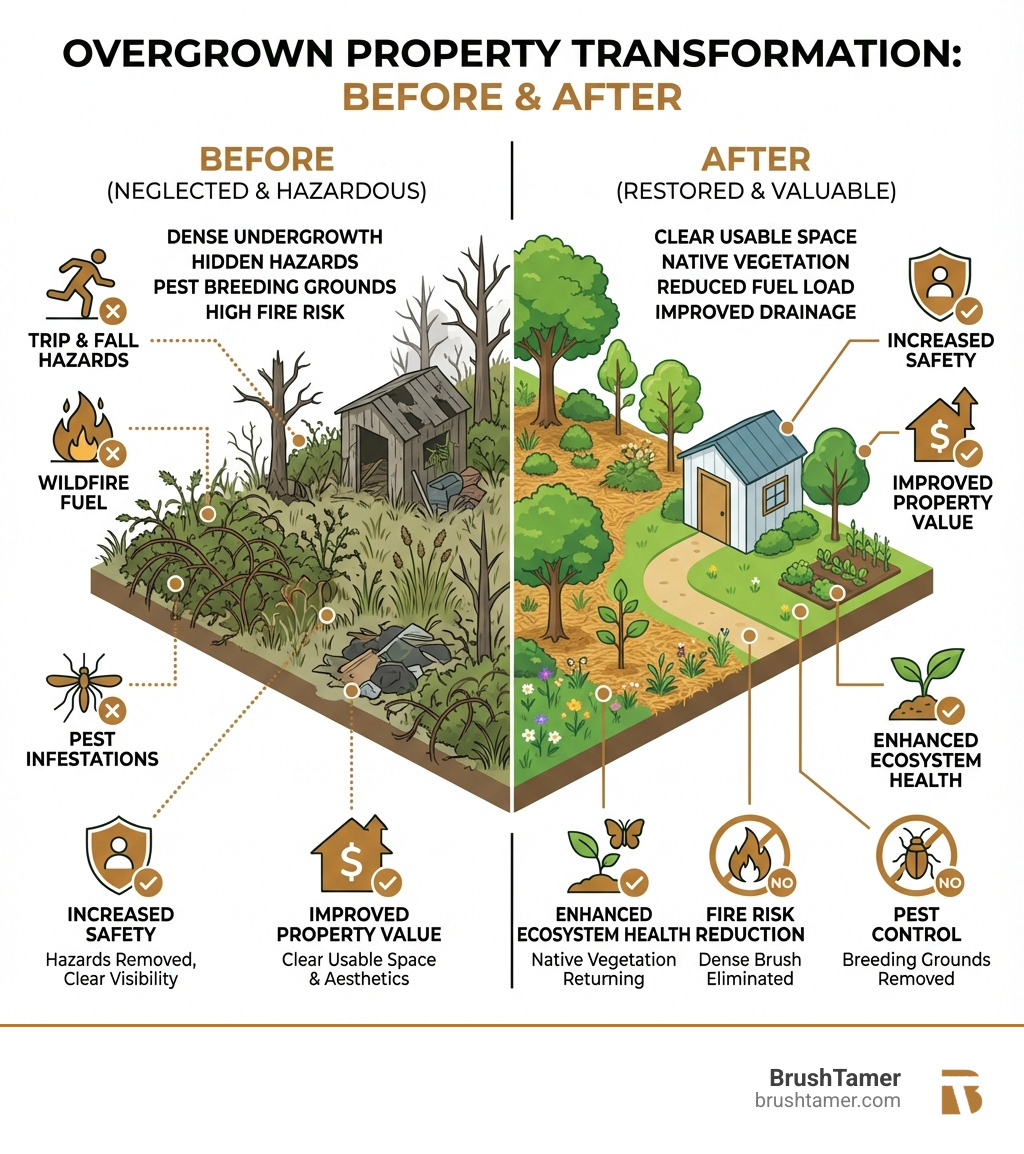
The Foundation: Professional Assessment and Strategic Planning
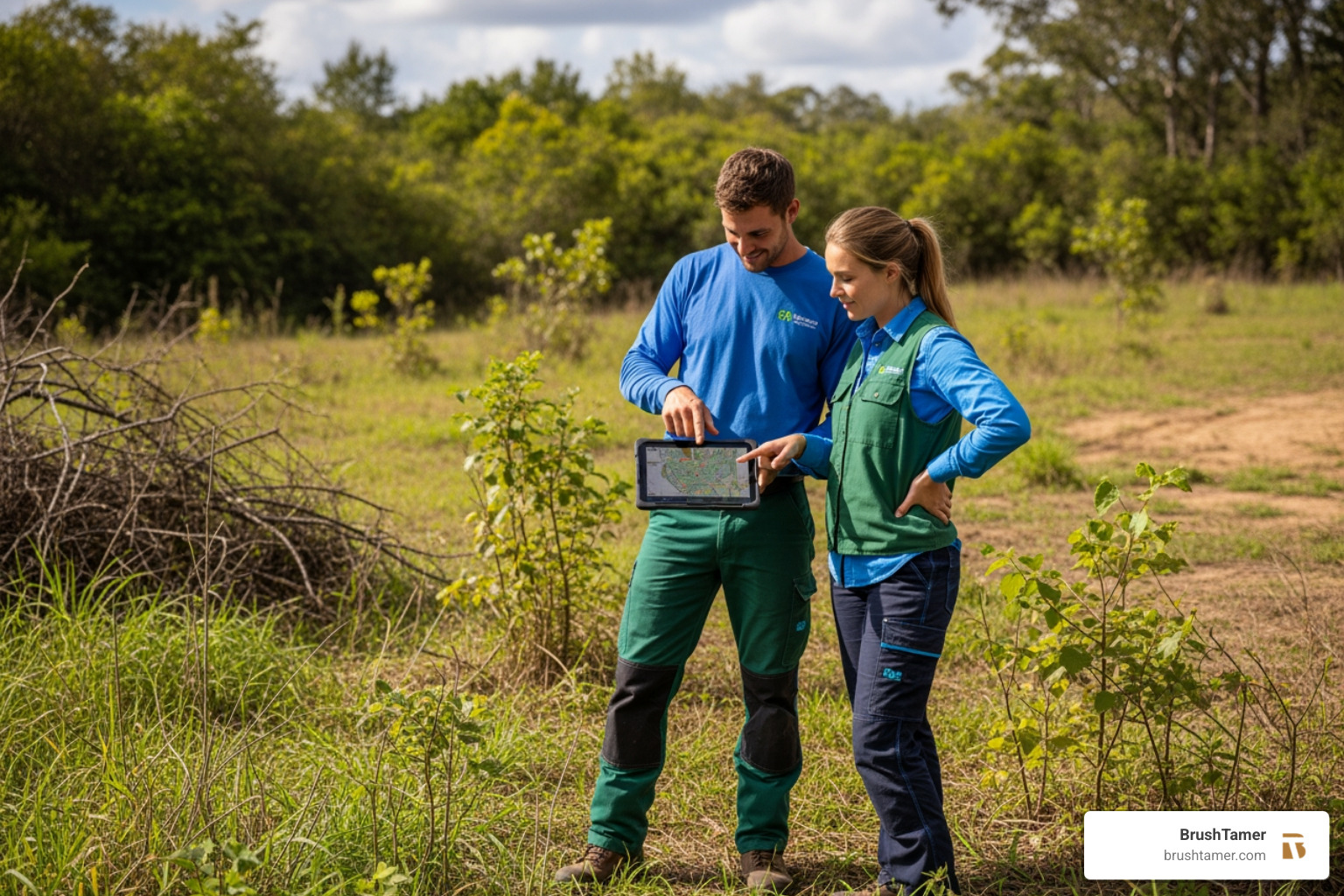
Before any machinery starts, the most crucial step in fixing overgrown land is a thorough professional assessment and strategic plan. This initial phase is about more than just identifying what’s there; it’s about understanding how to transform the land safely and effectively for the long term. This sets the stage for a successful project in areas like Goshen, Plymouth, and the wider Midwest. Our approach to Professional Land Management is comprehensive and client-focused.
Understanding Your Land’s Condition
The first step any expert takes to fix overgrown land is a comprehensive evaluation of the property. This involves identifying the specific types of vegetation, from invasive species like buckthorn and autumn olive to persistent weeds and brambles common in the Elkhart area. Professionals assess soil health, map drainage patterns, and pinpoint potential hazards like hidden debris, uneven terrain, or decaying trees.
Our team walks the property to document these details, looking for the common reasons land becomes overgrown, such as neglect or the rapid growth of opportunistic plants. In Northern Indiana and Lower Michigan, we frequently encounter aggressive species that create dense, impenetrable thickets. This detailed survey also helps us identify existing wildlife habitats that need to be considered during the clearing process, ensuring an environmentally responsible approach.
We analyze the extent of the overgrowth, noting the density and type of vegetation. We check for signs of soil compaction, erosion, or poor drainage—critical factors that impact the land’s future health and usability. Understanding these nuances allows us to anticipate challenges and plan accordingly, minimizing soil disturbance and preserving the land’s integrity.
Developing a Custom Clearing Plan
Based on the assessment, a detailed plan is created. This strategy outlines the most effective methods and equipment for the specific conditions of your land. It prioritizes safety, efficiency, and environmental responsibility, ensuring the project’s goals are met while minimizing impact on the surrounding ecosystem. This planning phase is critical for a successful outcome, whether clearing a small lot or a large acreage.
Our custom clearing plan considers your specific goals for the property. Are you preparing for new construction, establishing a pasture, or restoring a natural habitat? Each objective dictates a different approach. We define the project scope, estimate timelines, and select the appropriate Land Clearing Equipment necessary for the job, from specialized forestry mulchers to heavy-duty brush cutters.
Safety is paramount in our planning. We identify all potential hazards, from unseen wires and pipes to unstable terrain, and establish strict safety protocols. We also consider the environmental impact, aiming to minimize soil erosion and protect desirable native vegetation. This strategic planning ensures that the process of fixing overgrown land is executed flawlessly, delivering the desired results while maintaining ecological balance.
Professional Methods for Fixing Overgrown Land
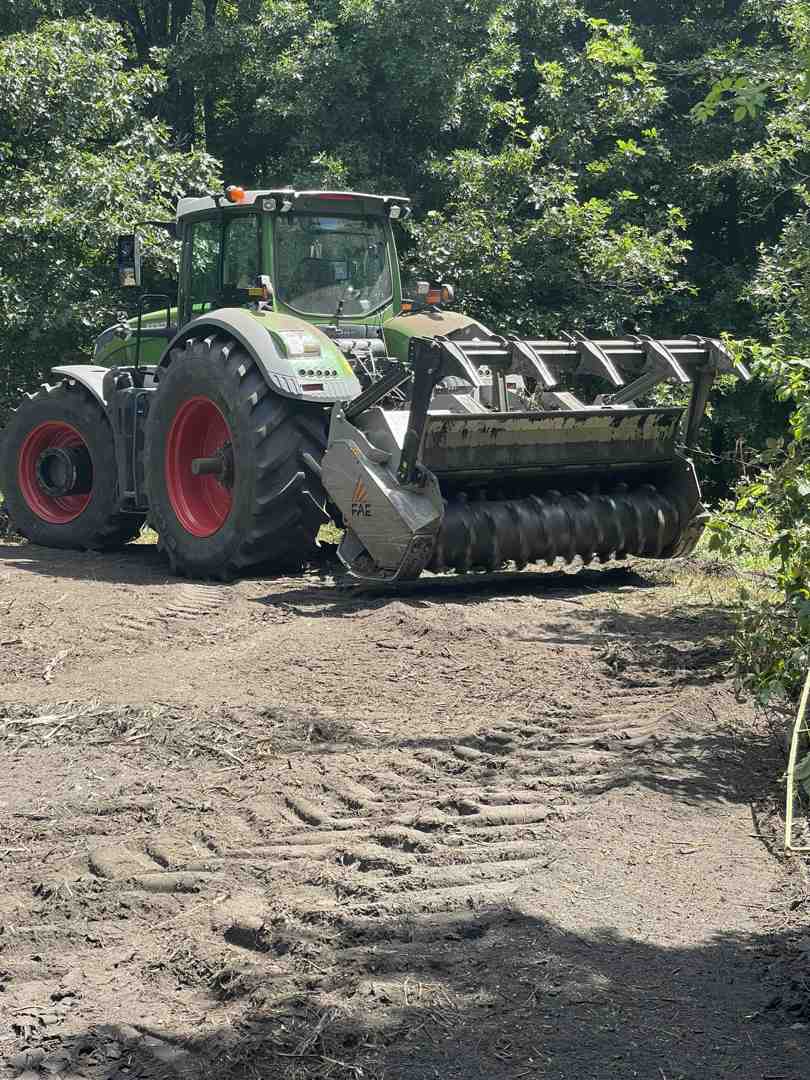
Once the planning is complete, the physical change begins. Our professional methods for fixing overgrown land combine advanced equipment with expert techniques to efficiently remove unwanted vegetation, leaving your property clean, clear, and ready for its next chapter. We leverage the best tools and practices in the industry to ensure superior results for our clients across Michigan City, Kokomo, and beyond.
Change 1: The First Step in Fixing Overgrown Land is Removing Unwanted Growth
In fixing overgrown land, dense undergrowth is usually the first removal phase—brambles, vines, and aggressive weeds. Professionals use commercial-grade equipment like heavy-duty brush mowers and clearing saws to quickly cut through this vegetation. This initial pass removes the bulk of the overgrowth, revealing the true layout of the land and making it safe for further work. This is a key part of any Heavy Brush Removal Ultimate Guide.
When tackling an overgrown garden or lot in Mishawaka or Warsaw, we often start by addressing the thick, tangled mess of weeds and brush. This initial clearing phase is crucial for creating a safe working environment and allowing us to properly assess any underlying issues. Our powerful brush mowers and clearing saws can efficiently cut through even the densest vegetation, including tough perennial weeds and invasive ground covers that might have taken root over years of neglect. This process is far more efficient than hand-clearing at scale and creates safer access for the remaining work.
We methodically clear sections of the property, working in rows to ensure no area is missed. This not only removes the surface vegetation but also allows us to uncover hidden debris, rocks, or other obstacles that could pose hazards. This meticulous approach is central to our Services: Brush Management, setting the stage for subsequent, more specialized clearing tasks.
Change 2: Efficiently Clearing Woody Plants and Small Trees
Overgrown land is often populated with saplings and small trees that are too large for standard mowers. A highly effective and Eco-Friendly Land Clearing method is Forestry Mulching. This single-machine process grinds trees and brush where they stand, turning them into a protective layer of mulch that enriches the soil and prevents erosion. It’s a fast, clean, and sustainable way to manage woody growth.
Forestry mulching is a game-changer for properties in Kalamazoo, Portage, and throughout our service area that are choked with saplings, small trees, and dense woody brush. Instead of cutting down trees and then having to haul away or burn the debris, our specialized forestry mulchers process the material on-site. The mulched material is then evenly distributed across the ground, creating a protective layer that helps retain soil moisture, reduces weed regrowth, and returns vital nutrients to the soil. This method is particularly beneficial for areas where traditional clearing would be too disruptive or costly.
This technique is not only efficient but also environmentally sound. It minimizes soil disturbance, which is critical for preventing erosion, especially on sloped terrain. By leaving the organic matter on the ground, we promote healthy soil structure and support the long-term vitality of the land. This approach aligns perfectly with our commitment to sustainable land management practices, changing overgrown areas into thriving landscapes in places like Auburn and Columbia City.
Change 3: Ensuring Safe and Complete Tree Stump Removal
After trees are removed, stumps create tripping hazards and prevent the land from being used for lawns, gardens, or construction. Professional stump grinding machinery pulverizes the stump and major roots below ground level. This process is far more effective and safer than other methods, leaving the ground ready for grading and future use. For larger trees, felling and safety planning may be required before follow-on site work can begin.
Tree stumps are notorious obstacles after clearing. They can be unsightly, hazardous, and prevent the smooth use of your land for anything from a new building foundation in Fort Wayne to a pristine lawn in Carmel. Our professional stump grinding services address this problem head-on. We use powerful stump grinders to pulverize the stump and its root ball several inches below the surface, effectively eliminating the obstruction. This process leaves behind a mixture of wood chips and soil, which can be used to fill the hole or repurposed as mulch.
Unlike simply cutting a stump flush with the ground, grinding ensures that the stump will not resprout, and the area can be easily graded and prepared for any future development. This is a critical step in fully fixing overgrown land, ensuring that every trace of past overgrowth is professionally handled. For property owners in St. Joseph or Benton Harbor, this means a clean slate for their land.
Restoring the Land: Debris Management and Soil Health
Beyond simply removing unwanted vegetation, our process for fixing overgrown land includes crucial steps for managing cleared debris and restoring the health of your soil. This holistic approach ensures that your land is not just clear, but also fertile, stable, and ready for future use. Our methods in places like Lafayette and West Lafayette focus on sustainability and long-term land vitality.
Change 4: Repurposing Cleared Debris into Valuable Resources
Instead of hauling away or burning cleared vegetation, modern land clearing services repurpose it. Through chipping and forestry mulching, woody debris is transformed into natural mulch. This material is spread across the cleared area to suppress future weed growth, retain soil moisture, and return organic nutrients to the earth, kickstarting the soil restoration process.
The debris generated during land clearing is a valuable resource often overlooked. Our team uses commercial-grade chippers and the forestry mulching technique to convert this organic waste into nutrient-rich mulch. This practice is not only environmentally friendly, reducing landfill waste and air pollution from burning, but it also significantly benefits the soil by creating a protective blanket that improves its health and structure. This approach is a cornerstone of our Eco-Friendly Land Clearing services, benefiting properties from Logansport to Wabash.
Change 5: Preparing the Soil for Future Planting and Growth
Once cleared, the bare soil is vulnerable to erosion and new weed infestations. Professionals can prepare the land for its next phase, which may involve establishing a cover crop. As noted in guides on land preparation for planting trees, cover crops quickly stabilize the soil, outcompete weeds, and build soil fertility, creating a healthy foundation for a future lawn, pasture, or native planting project.
After clearing, the soil needs attention to prevent erosion and encourage healthy growth, especially on sloped or sandy terrain. Our experts assess the soil’s condition and may recommend planting cover crops like clover or specific grasses. These establish a quick root system that stabilizes the soil against wind and rain. Cover crops also prevent future weed growth by outcompeting unwanted plants for resources and adding organic matter to the soil as they grow, improving its fertility and water retention. This preparation is essential whether the goal is to plant a new lawn, establish a native meadow, or prepare for agricultural use. Our Erosion Control Services are designed to ensure your newly cleared land remains stable and productive.
The Finishing Touches and Long-Term Success
The journey of fixing overgrown land culminates in ensuring the property is not only clear but also properly prepared for its intended use and protected against future overgrowth. These final changes are critical for maximizing the value and usability of your transformed land in areas like Fort Wayne, Indianapolis, and throughout Lower Michigan.
Change 6: Implementing Professional Grading and Drainage
Overgrown land is rarely level. After clearing, professional grading creates a smooth, functional surface. This is essential for proper drainage, preventing water from pooling and causing erosion or foundation issues. Whether you’re preparing for a new home, a barn, or a landscaped yard, proper grading is a non-negotiable step that requires the expertise of Clearing and Grading Companies Near Me.
Once the land is cleared of all vegetation and stumps, we turn our attention to the contours of the property. Professional grading is not merely about leveling; it’s about shaping the land to achieve specific functional and aesthetic outcomes. This includes ensuring proper water runoff, preventing pooling that can lead to mosquito breeding grounds or foundation damage, and creating a stable base for construction or landscaping. For properties in Noblesville, Plymouth, or Merrillville, effective drainage is crucial for protecting your investment.
Our skilled operators use specialized equipment to carefully grade the land, creating gentle slopes that guide water away from structures and towards appropriate drainage areas. This attention to detail ensures that the cleared land is not only beautiful but also functionally superior and resilient against future water-related issues. This precision work is what distinguishes a professionally cleared property, making it truly ready for its next phase.
Change 7: Establish a Long-Term Plan to Prevent Future Overgrowth
The final change is shifting from a one-time fix to ongoing management. A professional service can establish a long-term Vegetation Management Ultimate Guide to keep your property in pristine condition. This may include scheduled mowing, targeted treatments for invasive species, or periodic mulching to ensure the land never returns to its overgrown state.
The effort of fixing overgrown land would be wasted if the property quickly reverted to its former state. That’s why we emphasize the importance of a long-term vegetation management plan. Our experts work with property owners in areas like Greenwood, Greencastle, and across Lower Michigan to develop customized maintenance schedules. This might involve regular Brush Hogging to keep fields clear, targeted removal of any persistent invasive species, or replenishing mulch layers to continue suppressing weed growth and enriching the soil.
This proactive approach saves time and money in the long run by preventing the need for another major clearing project. It ensures your property remains usable, safe, and beautiful year after year. Our Vegetation Management Solutions are designed to provide peace of mind, knowing your investment is protected and your land is always at its best.
Conclusion
Fixing overgrown land is a transformative project that restores safety, value, and utility to your property. While the task may seem overwhelming, these seven professional changes—from strategic assessment and efficient clearing to soil restoration and long-term maintenance—provide a clear path to success. By entrusting the work to experts, you can quickly and effectively reclaim your land. For property owners in Northern Indiana and Lower Michigan, the team at BrushTamer has the specialized equipment and regional expertise to handle any land clearing challenge.
Our comprehensive approach ensures that every aspect of your land clearing project is handled with professionalism and care. We understand the unique challenges posed by the diverse landscapes of our service area, from the agricultural fields of Nappanee to the wooded properties of Chesterton. Our commitment to delivering reliable, high-quality results, coupled with an environmentally responsible approach, means your land will not just be cleared, but truly revitalized.
Ready to move forward? Contact BrushTamer to schedule a site evaluation and plan to fix your overgrown land project with a clear scope and safe execution.