
Introduction: More Than Just a Pretty Topping
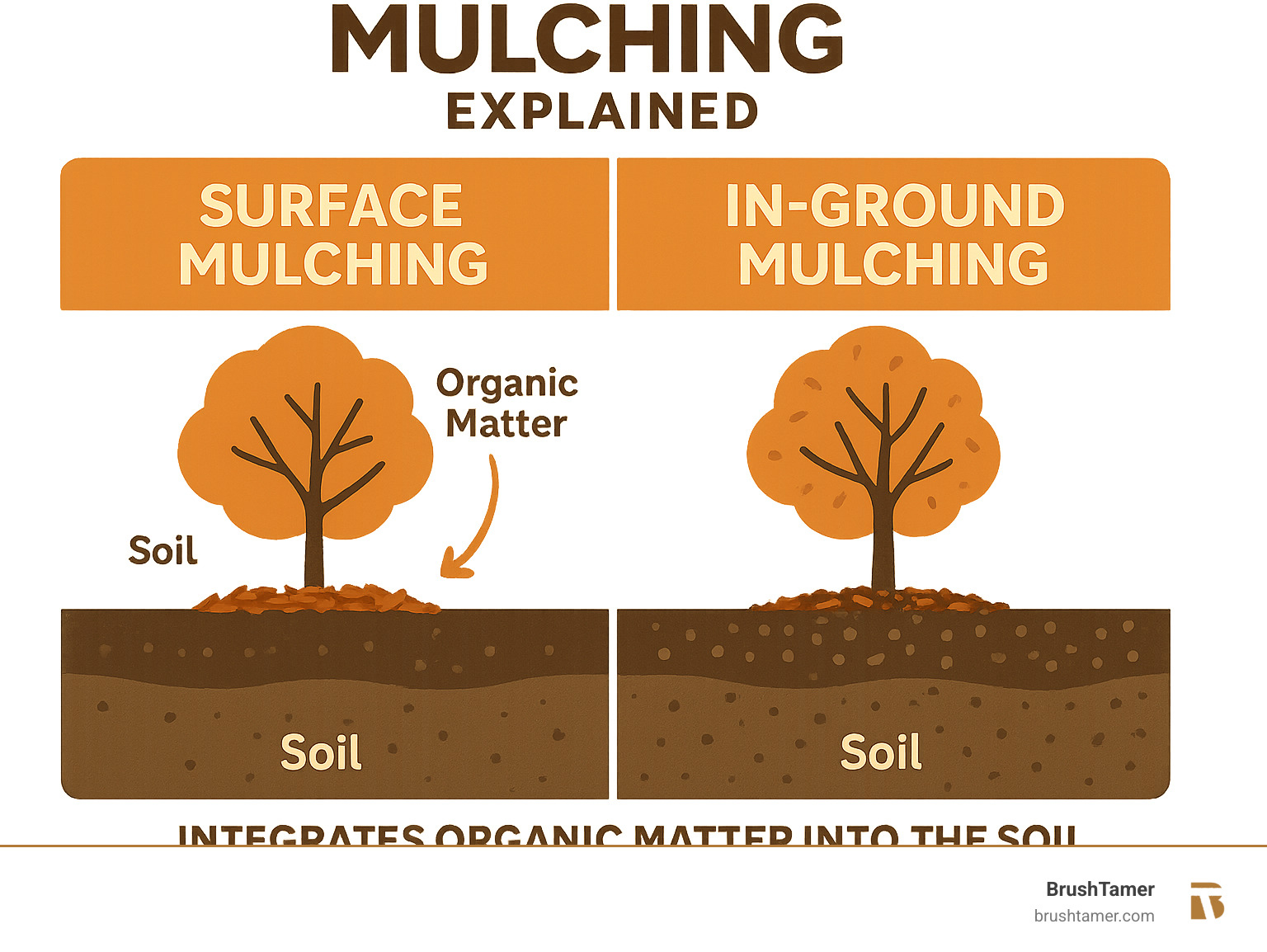
What is In-ground Mulching? In-ground Mulching is an on-site land-management approach in which vegetation is processed at ground level, and the resulting organic material remains as a protective layer over the soil. This process improves soil structure, fertility, and overall health from within.
How does it differ from traditional mulching?
- Traditional Mulching: Material is laid on top of the soil as a protective layer. It helps cover and protect the soil surface.
- In-ground Mulching: Processed organic material remains on the ground, where its lower layers gradually decompose and contribute organic matter to the soil below.
Mulching has long been a secret weapon for gardeners and landowners, creating a protective blanket for your soil. It helps keep moisture in, fights off weeds, and keeps soil temperatures steady. But what if you could take those benefits even deeper?
In-ground Mulching is a powerful technique for gardeners and landowners. It moves beyond just covering the surface. Instead, it works organic materials directly into the soil. This creates a lasting improvement to your land. Think of it as mimicking nature’s own way of building rich, healthy forest floors. The mulch layer covers exposed soil, reduces evaporation, and helps maintain more consistent moisture conditions. In-ground Mulching takes this blanket and weaves it right into the fabric of your land.
As the owner of BrushTamer, I have spent years transforming overgrown properties through professional land clearing and vegetation management. My work focuses on effective, environmentally sound land management solutions, including advanced forestry mulching that truly embodies In-ground Mulching principles.
The “Why” Behind the Work: Unpacking the Benefits of Mulch
Ever wonder what makes a garden truly thrive? It often starts below the surface, with happy, healthy soil. This is where In-ground Mulching truly shines! In-ground Mulching can protect exposed soil, moderate moisture conditions, reduce unwanted regrowth, and support long-term land health. Think of it as giving your plants a super-powered head start.
One of the biggest perks? Moisture retention. Mulch is like a cozy blanket for your soil, keeping precious water right where your plants need it. By reducing evaporation, a properly applied mulch layer can help soil retain moisture more consistently during dry conditions. The degree of moisture retention varies by soil type, mulch material, depth, weather, and site conditions. That’s a game-changer for keeping your garden lush and vibrant, especially around thirsty trees.
Mulch is also a master of temperature regulation. Mulch can moderate surface-soil temperatures by shielding the ground from direct sunlight and rapid temperature changes. This protects sensitive roots from getting stressed out. And when winter arrives, mulch becomes a warm comforter, guarding against freezing and thawing cycles that can harm plants.
Tired of battling weeds? Mulch is your secret weapon for weed suppression. Weeds are sneaky little nutrient thieves, but mulch puts a stop to them by blocking sunlight. Most weed seeds just can’t sprout without light, and existing weeds get smothered. Less light means fewer weeds, which means happier plants and less back-breaking work for you!
Finally, In-ground Mulching is a superstar for building healthy soil. It protects your land from erosion caused by rain and wind, and it prevents soil from getting compacted by foot traffic or irrigation. As those organic materials slowly break down, they release a steady stream of nutrients, enriching your soil and making it a fertile playground for strong plant growth.
How Mulch Improves Soil Health and Plant Growth
The real magic of In-ground Mulching happens underground. It’s not just a passive layer; it’s a busy ecosystem! Mulch creates the perfect insulated home for all the tiny, beneficial creatures that make soil truly alive. We’re talking about beneficial fungi, busy soil microbes, and hardworking earthworms. These little heroes are incredibly important – soil microorganisms help decompose organic material and participate in nutrient-cycling processes that support plant and soil health.
These underground workers are constantly breaking down the organic matter in the mulch. This process is called nutrient cycling, and it means that nutrients are constantly being released back into the soil in a form your plants can easily absorb. It’s like a natural, slow-release fertilizer that keeps on giving!
All this activity leads to seriously improved soil. Roots get amazing root protection from temperature swings, and the soil stays loose and fluffy, which means less soil compaction. The result can be more stable soil conditions, better root protection, and a more resilient landscape. For larger areas that need this kind of beneficial soil management, our team at BrushTamer uses these same principles in our expert Brush Management Services to create thriving environments.
Keeping Weeds and Water Woes at Bay
Imagine a garden where pesky weeds are a rare sight and your plants stay hydrated without you constantly dragging out the hose. Sounds like a dream, right? With effective mulching, it’s totally achievable!
Mulch is incredibly effective at weed suppression. By blocking sunlight, it stops those annoying weed seeds from germinating in the first place. It also smothers any existing weeds, drastically reducing their ability to steal water and nutrients from your prized plants. That means less weeding for you, and more resources for the plants you actually want to grow!
When it comes to water, mulch is a true conservationist. It dramatically reduces evaporation reduction from the soil surface. This means the water you give your plants, whether from rain or your sprinkler, stays right where it’s needed most – around the roots. This can reduce moisture loss and help maintain a more consistent root-zone environment. For an even smarter way to water, you can even tuck soaker hoses under your mulch. These hoses deliver water directly to the roots, and the mulch on top keeps it from evaporating. It’s the perfect recipe for a consistently healthy root environment and a happy, hydrated garden!
The Ultimate Guide to In-ground Mulching Techniques
Ready to dive into the practical side of In-ground Mulching? This isn’t just about tossing some material down. It’s about understanding the techniques that weave organic matter into your soil for long-lasting benefits.
What is In-ground Mulching and How Does It Work?
At its core, In-ground Mulching keeps processed vegetation on-site as a ground-level mulch layer that decomposes naturally over time. It’s different from just layering it on top. While traditional mulching creates a protective blanket, In-ground Mulching aims for a deeper, more powerful soil improvement.
Think of it like nature’s own way of building rich soil. A forest floor, over many years, gets its fertility from leaves, twigs, and other bits breaking down and mixing right into the earth. In-ground Mulching copies this natural process.
With In-ground Mulching, organic material remains in contact with the soil surface, where weather, fungi, and other organisms gradually break it down. As organic materials break down, they release nutrients. They also improve the soil structure, improving how water drains and how much water the soil can hold. This leads to long-term soil health. It creates a stronger, more resilient base for your plants. This is a core idea behind our land management work, and you can learn more about it in our Land Clearing Services.
Best Materials for In-ground Mulching
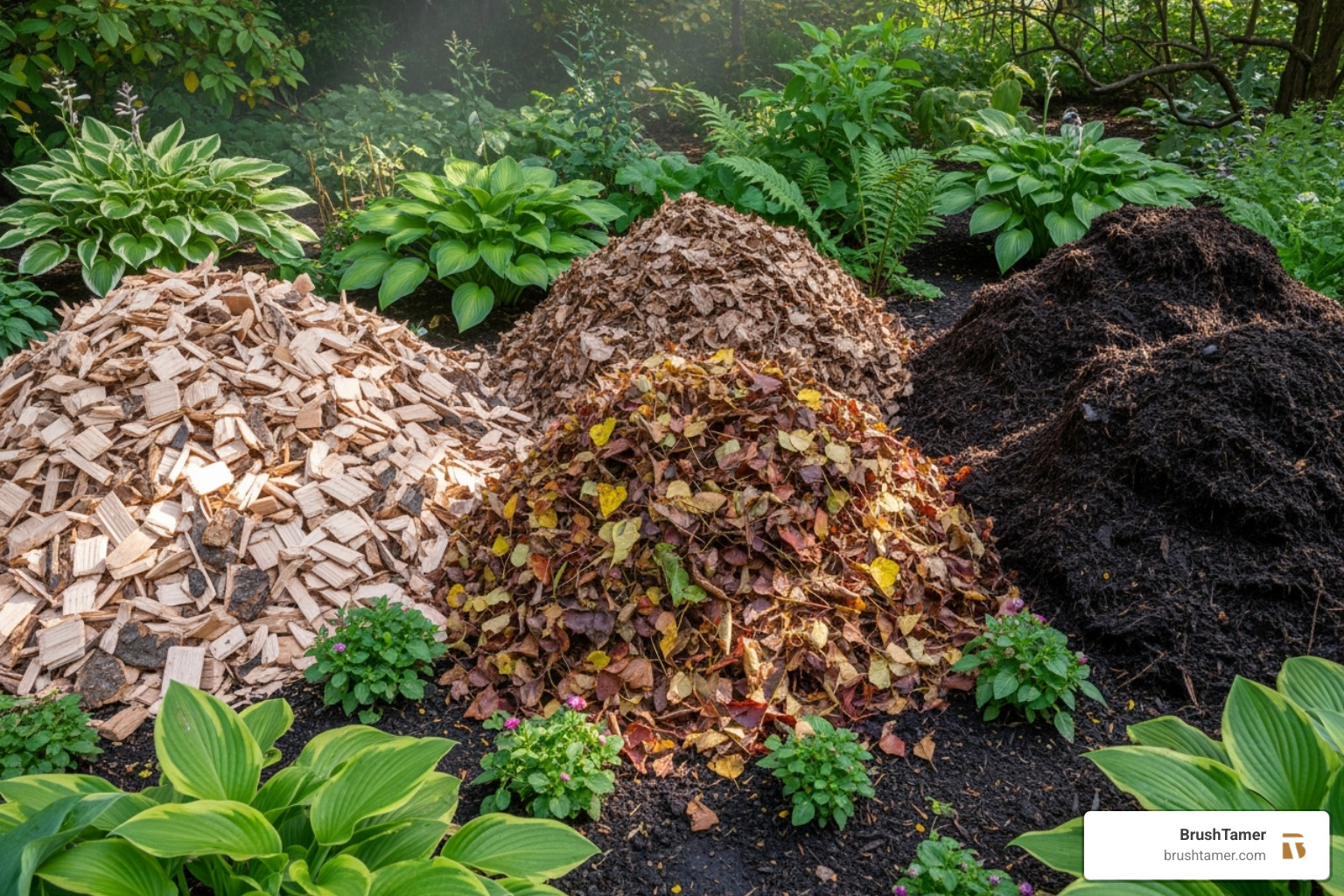
Choosing the right materials is super important for successful In-ground Mulching. We want organic mulches that will break down and feed your soil. Here are some of our top choices:
First up are Wood Chips. These are fantastic, especially arborist chips. Arborist chips are a mix of wood, bark, and leaves from tree trimming. They break down slowly, giving your soil long-term goodness. Surface-applied wood chips generally have limited effect on nitrogen in the plant root zone, while mixing woody material directly into soil can temporarily reduce nitrogen availability. This is less of a problem in older garden beds, but it’s something to watch with new plants. For more details on using them, check out this guide on (PDF) Using Arborist Wood Chips as Landscape Mulch.
Your fall leaves are gold! Shredded leaves are an accessible organic material that decomposes relatively quickly and contributes organic matter. They break down quickly, adding rich organic matter and making your soil structure better.
If your lawn hasn’t been treated with weed killers, Grass Clippings are a great source of nitrogen. Just be sure to spread them in thin layers – no more than 2 inches deep. This stops them from matting together and getting smelly, allowing them to gently break down into the soil.
Compost is often used to improve soil directly, but well-rotted compost can also be a nutrient-rich mulch. It’s already broken down, so its benefits are immediate. You’ll just need to add more of it a bit more often.
Pine Needles (also called Pine Straw) are especially good for plants that like acidic soil. They tend to interlock, which makes them great for slopes. They break down slowly and give off a nice scent.
Finally, there’s Straw. This is the leftover stalks after grain is harvested. Make sure it’s straw, not hay, as hay often has weed seeds. Straw is lightweight and decomposes gradually, making it a practical surface mulch for many vegetable gardens.
The best material is often what you can easily get and what works for your specific needs. Always pick organic, untreated options for the healthiest soil!
Step-by-Step Application: When and How to Mulch
Timing and technique are key for effective In-ground Mulching. Let’s talk about when and how to get it right.
When to Mulch: The best times to apply mulch are in the spring and fall.
- Spring Mulching: Put down your mulch in early to mid-spring. This is after the risk of hard frost has passed and the ground has started to warm up. Spring mulching helps hold moisture during drier summer months and stops weeds before they can even sprout.
- Fall Mulching: This is a fantastic time to get your beds ready for winter. For perennial gardens, wait until after the first hard freeze. For bare garden beds with no plants, mulching in the fall stops erosion and enriches the soil all winter long. If you have sensitive plants, a thicker layer (about 3-4 inches) added after a few freezes will help keep them warm and protected.
How to Apply Mulch:
Prepare Your Beds: Start by cleaning out your garden beds. Pull any weeds, remove debris, and rake away any old, matted mulch. A clean bed lets your new mulch do its best work. If you’re making new garden beds, you might want to lay down a layer of cardboard first to block weeds. Just make sure to wet the cardboard thoroughly before adding mulch. We always aim for a neat, clean edge in our projects, much like you might cut a clean, defined line around a garden bed.
Water (If Dry): If your soil feels dry, give it a good watering before you put down the mulch. This helps seal in that precious moisture.
Calculate Your Needs: To make sure you don’t use too much or too little mulch, figure out how much material you’ll need. Aim for a layer that’s 2 to 4 inches thick. You can use a helpful mulch calculator to get the right amount for your area.
Spread Evenly: Use a shovel and rake to spread the mulch smoothly across the bed. If your material is finer, you’ll need a thinner layer (for example, 1-2 inches for fine compost, but 3-4 inches for coarser wood chips).
Mind the Space: This step is super important! Keep the mulch a few inches (ideally 3-6 inches) away from the bottoms of plant stems and tree trunks. This stops moisture from building up, which can cause rot and attract pests. We’ll talk more about this in the “Mistakes to Avoid” section.
Settle It In: After you’ve applied the mulch, a light watering can help it settle down and look nice and neat in your landscape.
Common Mulching Mistakes to Avoid (And How to Fix Them)
Even with the best intentions, mulching can sometimes go wrong. The good news? Most mulching mistakes are easy to spot and even easier to fix. Let’s walk through the most common pitfalls so you can avoid them entirely.
Think of mulching like cooking – a little knowledge goes a long way, but a few simple mistakes can ruin the whole dish. The key is understanding what not to do before you grab that shovel.
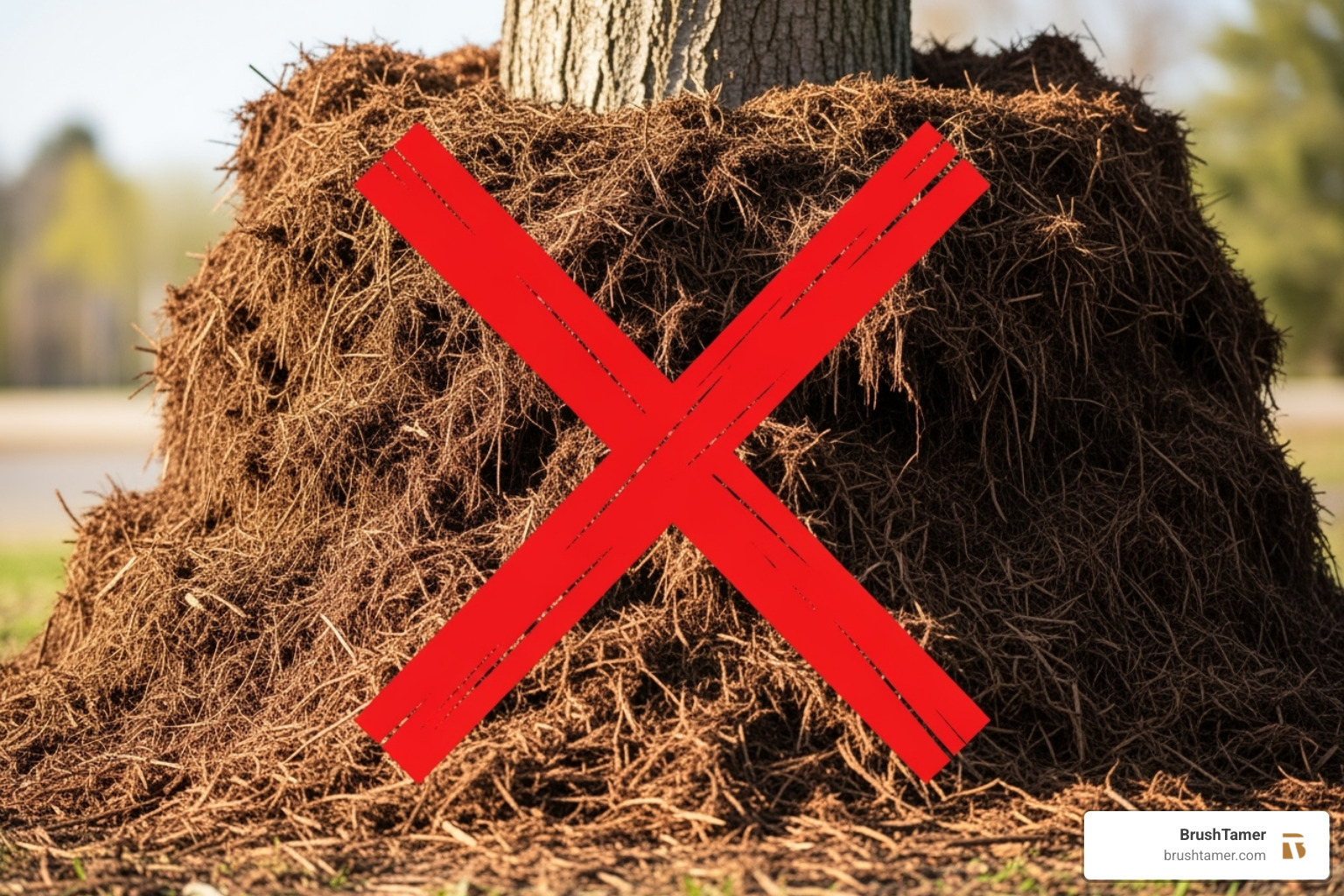
The Dreaded “Mulch Volcano”
If there’s one mulching mistake that makes every arborist cringe, it’s the mulch volcano. You’ve probably seen them everywhere – those cone-shaped piles of mulch stacked high around tree trunks. They might look tidy and protective, but they’re actually slowly killing the trees they’re meant to help.
Here’s what happens when mulch gets piled against a tree trunk. The constant moisture creates a perfect breeding ground for trunk rot. Fungi and bacteria love this wet environment, and they’ll happily munch away at the bark. Over time, this weakens the entire tree structure.
Girdling roots are another serious problem. When trees are buried too deep in mulch, their roots start growing in circles around the trunk instead of spreading outward. These roots eventually strangle the tree, cutting off its water and nutrient supply. It’s like the tree is slowly choking itself.
The moist, protected space also attracts unwanted guests. Insect problems and rodent damage become much more likely when pests have a cozy mulch home right next to their favorite snack – your tree’s bark.
All of these issues make trees more susceptible to disease. A stressed, weakened tree simply can’t fight off infections the way a healthy one can.
The fix is refreshingly simple. Keep mulch at least 3 to 6 inches away from any tree trunk or plant stem. Think of it as giving your plants some breathing room. Proper spacing allows air to circulate and prevents that damaging moisture buildup. As experts warn, no mulch volcanos!
Using the Wrong Type or Depth of Mulch
Not all mulches are created equal, and even good mulch can cause problems when used incorrectly. Understanding these issues helps ensure your In-ground Mulching efforts actually benefit your landscape.
Fresh wood chips can temporarily cause nitrogen depletion in your soil. When microorganisms break down carbon-rich materials like fresh wood, they need nitrogen to do their work. They’ll “borrow” this nitrogen from your soil, potentially leaving your plants hungry. This is especially problematic for new plantings and nitrogen-loving plants like vegetables. The solution? Keep wood chips on the soil surface rather than mixing them into planting soil, and base any fertilizer application on actual soil or plant needs.
Grass clippings can create their own set of problems through matting. When applied too thickly or while still wet, grass clippings stick together and form an impermeable layer. This mat blocks water and air from reaching the soil, essentially suffocating your plant roots. To avoid this, apply grass clippings in thin layers and make sure they’re dry.
Any mulch applied too deeply can lead to suffocating roots. While we want good coverage, plants still need oxygen at the soil level. Most organic mulches work best at 2 to 4 inches deep. More isn’t always better in the mulching world.
Sometimes, dried-out mulch can develop water repellency. Instead of absorbing moisture, it actually sheds water away from your plants. This often happens with matted materials that have been sitting too long. If you notice water running off your mulch beds instead of soaking in, break up the surface with a rake to restore proper water penetration.
Creating anaerobic conditions is another concern when mulch is too thick or poorly applied. Without proper air circulation, beneficial soil organisms can’t do their job, and you might even notice a sour smell developing – that’s your mulch telling you something’s wrong.
The key to avoiding these issues is choosing the right material for your specific situation and applying it at the proper depth. When done correctly, In-ground Mulching transforms your landscape. For larger projects that require professional expertise, our Stump Grinding and Removal Services can help prepare your site for successful mulching applications.
Mulching should make your gardening life easier, not harder. When you avoid these common mistakes, you’ll enjoy all the benefits of healthy, thriving plants with much less work.
Conclusion: From Mulch to Masterpiece
What started as a simple conversation about mulch has grown into something much bigger. We’ve found that In-ground Mulching is most valuable when it protects soil, manages processed vegetation, and supports the property’s intended use.
The beauty of In-ground Mulching lies in how it works with nature instead of against it. When you spread those wood chips, rake in those shredded leaves, or work compost into your beds, you’re mimicking what forests have been doing for thousands of years. You’re building soil the way nature intended – slowly, steadily, and sustainably.
Every handful of organic matter you add becomes food for the beneficial microbes and earthworms that make your soil come alive. Every layer you apply becomes protection for your plants’ roots and a barrier against weeds. Its benefits can continue as the organic material decomposes and the soil remains protected over time.
Of course, not every property needs just a garden rake and some leaf bags. When you’re dealing with acres of overgrown land or dense vegetation that needs clearing, the principles remain the same but the scale changes dramatically. That’s where professional expertise makes all the difference. Our Forestry Mulching Services take the same soil-building concepts we’ve discussed and apply them on a much larger scale, changing overgrown areas into manageable, healthy landscapes by converting unwanted vegetation directly into beneficial organic matter.
Considering In-ground Mulching or forestry mulching for an overgrown property? Contact BrushTamer to discuss your land conditions, vegetation-management goals, and the right low-disturbance approach for creating a healthier, more usable landscape.