
Direct answer: Aurora fence line maintenance involves a combination of adhering to local municipal height and setback regulations, managing aggressive Midwest vegetation, and protecting structural integrity against extreme seasonal weather shifts to ensure long-term property value and boundary security. Effective Aurora fence line maintenance protects the fence structure from rot, soil movement, and invasive plant growth. By maintaining a clear and compliant fence line, homeowners protect their financial investment while ensuring the safety and privacy of their outdoor living spaces.
Aurora fence line maintenance requires a clear, consistent approach that covers local regulation compliance, seasonal weather protection, and proactive vegetation control — all working together to protect your property boundary. In the Fox Valley and surrounding regions, including Naperville and Joliet, homeowners must navigate specific zoning laws while battling the unique environmental pressures of the Midwest. A fence is a significant capital improvement, and its longevity depends entirely on how well the perimeter is managed against the elements. Neglecting an overgrown fence line can lead to leaning posts, hidden damage, invasive growth, and property-line disputes.
Here’s a quick overview of what effective Aurora fence line maintenance involves:
- Regulatory Compliance — Ensuring your structure meets the specific height and setback requirements of the Aurora Unified Development Ordinance to avoid fines.
- Material Preservation — Using appropriate sealants for wood or cleaning agents for vinyl to combat the intense UV rays and humidity of Illinois summers.
- Bi-Annual Inspections — Conducting thorough walk-throughs in spring and fall to identify loose fasteners, leaning posts, or cracked panels before they escalate.
- Vegetation Buffer Zones — Maintaining a clear space between the fence and surrounding brush to prevent moisture retention and physical weight stress.
- Foundation Stability — Monitor concrete footings for shifting or cracking caused by Midwest freeze-thaw cycles.
Most homeowners think fence maintenance is just about how things look. However, a neglected fence line can quietly deteriorate from the ground up. In Aurora’s Midwest climate, repeated heat, moisture, snow, and freeze-thaw cycles can accelerate fence deterioration. From the heavy snows of South Bend, IN, to the humid summers of Benton Harbor, MI, your fence is under constant environmental assault. Beyond the physical structure, a well-maintained fence line defines the limits of your responsibility and prevents the “creeping” of invasive species from neighboring unmanaged lots.
The risks are practical and preventable. A sagging or non-compliant fence can affect property value, create neighbor disputes, and even trigger code violations. Since 2021, BrushTamer has helped property owners reclaim overgrown boundaries through professional brush management and fence line clearing. I’m Leon Miller, owner of BrushTamer, with hands-on experience managing overgrown fence lines and property boundaries across Northern Indiana and Lower Michigan — exactly the kind of Aurora fence line maintenance challenges this guide is built to solve. Let’s break down everything you need to know to keep your fence line sharp, compliant, and built to last.
Essential Regulations for Aurora Fence Line Maintenance
Direct answer: In Aurora, residential fence maintenance must comply with the Unified Development Ordinance (UDO), which mandates a maximum height of 42 inches for front yards and 6 feet for side or rear yards, with specific setbacks from sidewalks and arterial streets. Staying within these legal boundaries is the first step in any maintenance plan, as non-compliant structures may require costly reconstruction or removal regardless of their physical condition. Professional fence line clearing helps keep boundaries visible and accessible for inspections, repairs, and ongoing maintenance.
When we talk about Aurora fence line maintenance, we aren’t just talking about scrubbing off mold or tightening a screw. We are talking about maintaining a structure that meets the city’s strict Unified Development Ordinance. In residential districts, the rules are very specific: your front yard fence cannot exceed 42 inches in height. For your side and rear yards, the maximum is generally 6 feet. However, if your property sits along a major arterial or collector street, you might be allowed to go up to 8 feet for noise and privacy screening, provided you meet the increased setback requirements. Property owners can review the city’s official development code through the City of Aurora, IL for current municipal guidance.
Setbacks are also critical during Aurora fence line maintenance because they protect sightlines, sidewalk access, and public rights-of-way. Most residential fences in Aurora must be set back at least 18 inches from the back of the sidewalk. If you are in a newer subdivision along an arterial street, that setback can jump to a minimum of 40 feet from the flow line. Furthermore, maintaining a clear fence line involves ensuring that no continuous fence plane extends more than 660 to 700 feet without an offset or a change in material. These design breaks help avoid long, uninterrupted fence runs and may reduce stress on the structure during high winds. These offsets also provide natural breaking points for maintenance, allowing you to repair sections without compromising the entire line.
Safety at intersections and driveways is governed by sight triangles. You must maintain a 15-foot by 15-foot obstruction-free triangle where your driveway meets the street. Within this zone, fences are usually restricted to 30 inches in height to ensure drivers can see pedestrians and other vehicles. If you are planning a structural alteration, you will likely need a permit. Aurora requires all fence posts over 42 inches to be set in circular concrete bases that are at least 2 feet deep and 1 foot in diameter to prevent the leaning and heaving common in Midwest soils. Professional vegetation management is essential here to ensure that roots do not compromise these concrete foundations or hide structural cracks from view.
Height Limits and Setback Requirements
Direct answer: Adhering to specific height and setback limits ensures that residential properties maintain clear sightlines for traffic safety and community uniformity. These regulations prevent fences from becoming visual obstructions or encroaching on public rights-of-way. During any maintenance or repair cycle, verifying that the structure has not shifted or been altered beyond these legal limits is essential to avoid municipal enforcement actions.
In the Midwest, including cities like Aurora, IL, and South Bend, IN, zoning boards take height very seriously. A fence that is too tall in the front yard can block the view of the street, creating a safety hazard for children and pets. While the standard rear height is 6 feet, some exceptions exist for properties bordering busy roads, where an 8-foot fence might be permitted to mitigate traffic noise. Always remember the 18-inch sidewalk setback; this small gap allows for public sidewalk maintenance and prevents the fence from encroaching on city property. Keeping this gap clear of brush supports safe access to the public right-of-way and should be part of any Aurora fence line maintenance plan.
Permitted Materials and Sight Triangle Safety
Direct answer: Aurora regulations permit wood, vinyl, ornamental metal, and chain link, while prohibiting dangerous materials like barbed wire or chicken wire in residential zones. Choosing compliant materials helps the fence pass inspection and determines the type of maintenance it will need over time. Prohibited materials can result in immediate code enforcement actions and may negatively impact your property’s resale value.
| Fence Material | Permitted in Aurora? | Maintenance Level |
|---|---|---|
| Wood (Cedar/Pine) | Yes | High (Staining/Sealing) |
| Vinyl (PVC) | Yes | Low (Washing) |
| Ornamental Metal | Yes | Medium (Rust Prevention) |
| Chain Link | Yes | Low (Inspection) |
| Barbed Wire | No (Residential) | N/A |
| Chicken Wire/Fabric | No | N/A |
The sight triangle is a non-negotiable safety feature. Imagine pulling out of your driveway in Naperville or Joliet and having your view blocked by a solid 6-foot fence right at the property line. That’s why the 15×15 foot triangle must remain clear of tall obstructions. If you use a solid fence (less than 50% open), the height limits are even stricter near the street compared to open fences like wrought iron or spaced pickets. Professional fence line clearing keeps seasonal growth from blocking sightlines or turning a compliant fence into a safety concern.
Environmental Challenges Affecting Midwest Fencing
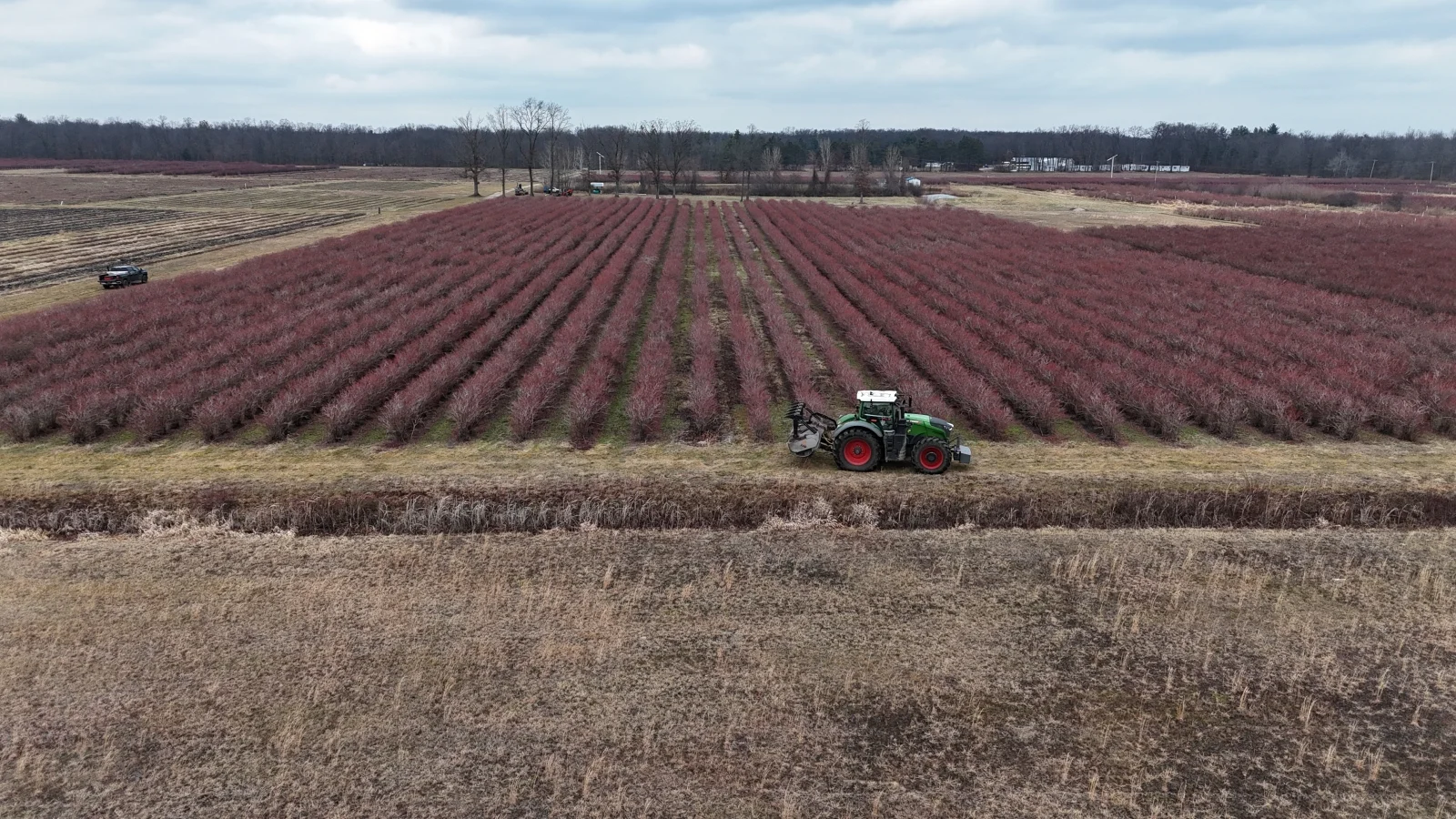
Direct answer: The Midwest climate, characterized by intense UV exposure, high winds, and rapid freeze-thaw cycles, necessitates proactive maintenance to prevent post-rot, leaning panels, and material degradation. In places like Aurora, IL, and Elkhart, IN, the weather is the primary driver of structural failure, requiring reinforced foundations and aggressive moisture management through professional brush clearing. Understanding the local climate is essential for selecting the right maintenance intervals and protective treatments.
Aurora and the surrounding Midwest experience seasonal weather changes that can stress fence materials and posts. Intense summer sun can cause wood to warp and vinyl to become brittle if it lacks “solar shield” technology. High winds, common across the plains of Illinois and Indiana, put immense physical pressure on fence panels, often acting like a sail that pulls posts right out of the ground. In cities like Valparaiso and Chesterton, wind loads can be particularly severe, necessitating robust structural support and regular checks of the fasteners that hold panels to posts.
Moisture is one of the most persistent threats to fences, especially when overgrowth blocks airflow along the fence line. When heavy snow melts or spring rains saturate the ground, water can seep into wood posts, leading to rot at the ground level. This is why we emphasize heavy brush removal as a core part of maintenance. When thick vegetation grows against your fence, it traps moisture against the material and prevents the sun from drying it out, accelerating decay. This damp microclimate can accelerate wood rot, corrosion, and mold growth along overgrown fence lines. Without proper airflow, even pressure-treated lumber will eventually succumb to fungal growth and structural softening.
Soil Conditions and Post Stability
Direct answer: Variable soil conditions in Northern Indiana and Lower Michigan often lead to leaning posts and shifting panels, requiring reinforced concrete foundations at least 24 inches deep. The “freeze-thaw” cycle causes soil to expand and contract, which can literally “spit” a shallow post out of the ground over several winters. Professional clearing prevents root systems from further destabilizing these foundations by removing the organic matter that holds excess water near the post base.
In cities like South Bend and Mishawaka, the frost line is a major factor. If your fence posts aren’t deep enough, the freezing ground will push against the bottom of the post, causing it to lean. We recommend 1-foot diameter concrete bases to provide the necessary weight and surface area to keep the post upright. Proper field edge maintenance also ensures that drainage swales near your fence line remain clear. If water pools around your fence posts because of clogged drainage or excessive organic debris, even the best concrete won’t save them from eventual failure. In the clay-heavy soils of Aurora and Joliet, drainage management is paramount because clay retains water longer than sandy soils, increasing the duration of the freeze-thaw pressure.
Seasonal Schedules for Aurora Fence Line Maintenance
Direct answer: Effective Aurora fence line maintenance requires a bi-annual inspection schedule in April and October to address winter damage and prepare for summer UV intensity. Timing your maintenance with the seasons ensures you catch small problems before they become expensive replacements. Professional clearing should be scheduled to coincide with these periods to maximize accessibility and ensure the fence is ready for the coming weather extremes.
In the spring (April), your focus should be on “the big thaw.” Check for posts that have shifted, loose fasteners, and signs of mold or mildew. This is the time for professional cleaning and reapplying stains or sealants to wood fences. For metal fences, look for chips in the powder coating where rust could start. In autumn, the priority is clearing accumulated brush, vines, and woody growth before winter weather arrives. This is when you should call for professional brush management to remove the year’s growth from your fence line. Removing dead vines and overgrown weeds before the snow falls prevents heavy, wet debris from weighing down your fence during winter storms in places like Kalamazoo and Grand Rapids. A clear fence line in winter also makes it easier to spot damage from snowplows or falling branches.
Advanced Vegetation Control and Clearing Strategies
Direct answer: Professional vegetation management is the most effective way to prevent fence damage caused by root intrusion, moisture retention from overgrowth, and invasive species encroachment. While standard lawn equipment might handle grass, it cannot stop the woody brush and invasive vines that truly threaten a fence’s structural integrity. Professional clearing provides the necessary clearance for airflow and sunlight exposure, which are natural deterrents to rot and corrosion.
BrushTamer frequently sees overgrown fence lines where buckthorn, honeysuckle, and invasive vines place stress on posts, rails, and panels. These plants don’t just look messy; they are physically destructive. Roots can grow under and around concrete footings, eventually cracking them or pushing the post out of alignment. Thick canopy growth prevents airflow, creating a permanent “micro-climate” of dampness that rots wood and corrodes metal. This is especially prevalent in the wooded areas of Chesterton and Laporte, where the natural forest edge constantly tries to reclaim managed property lines.
Professional brush hogging can reset an overgrown fence line by removing dense vegetation that blocks access and airflow. We can clear the “no-man’s land” along your property boundary, ensuring that there is a clear gap between your fence and the surrounding wild growth. This gap is essential for both the health of the fence and your ability to inspect it. Our vegetation management solutions are designed to be environmentally responsible while providing the heavy-duty clearing needed to reclaim your property lines in Benton Harbor or Aurora. We utilize specialized machinery that handles dense undergrowth without damaging the fence structure itself, a task that is nearly impossible with hand tools or standard weed whackers.
Professional Solutions for Aurora Fence Line Maintenance
Direct answer: Hiring professional services for fence line clearing ensures the removal of heavy brush and woody debris that can compromise the structural lifespan of your boundary markers. Professional land managers use specialized equipment, such as forestry mulchers, to clear in minutes what would take days of manual labor, ensuring a clean and sustainable result. This approach is vital for large estates in Elkhart and Granger where manual maintenance is not feasible.
When dealing with commercial vegetation control or large residential estates in Buchanan or Nappanee, mechanical clearing is the only viable solution. Forestry mulching is a particularly effective technique we use. Instead of pulling plants out and leaving huge holes in your soil, we mulch the vegetation in place. This creates a protective layer that suppresses new weed growth while protecting your topsoil from erosion. It’s a clean, efficient way to keep your fence line accessible and looking sharp without the need for burning or hauling away debris. This method also returns nutrients to the soil, supporting a healthy ecosystem while protecting your fence from the “wicking” effect of tall, wet grass.
Managing Overgrowth and Invasive Species
Direct answer: Invasive Midwest species like Oriental Bittersweet and Multiflora Rose can quickly overwhelm fence structures, adding hundreds of pounds of unintended weight and trapping moisture against the material. These species can wrap around pickets and rails, adding weight, trapping moisture, and contributing to sagging or structural damage. Expert identification and removal are necessary to prevent these plants from causing permanent structural failure and spreading throughout the landscape.
Invasive vines are especially dangerous because they trap moisture directly against the fence material 24/7. By the time you notice the sagging, the wood underneath the vines is often already soft with rot. Our approach to brush management near me focuses on identifying these high-threat species and removing them before they can do permanent damage. Keeping your fence line clear also improves sunlight exposure, which naturally helps keep the area dry and less hospitable to mold and wood-destroying fungi. In regions like Warsaw and Columbia City, where invasive species thrive, annual professional clearing is the only way to preserve a fence’s 20-to-30-year life expectancy. Without this intervention, a fence can be rendered useless in as little as five to seven years.
Conclusion
Direct answer: Maintaining a sharp and durable fence line in the Aurora region requires a strategic approach that balances municipal compliance with aggressive environmental management. A fence is only as good as the ground it stands on and the professional care it receives. By adhering to local codes and ensuring the area remains clear of destructive vegetation, homeowners can protect their investment for decades, ensuring that their property remains secure, private, and aesthetically pleasing.
Keeping your property looking its best means staying on top of the Aurora fence line maintenance tasks that matter: knowing the height and setback codes, choosing the right materials for our brutal Midwest winters, and never letting the vegetation win the battle for your boundary. Whether you are in Aurora, IL, or across the border in South Bend, IN, the principles remain the same: protect the posts, clear the brush, and inspect often. A proactive approach today prevents a total replacement tomorrow.
At BrushTamer, founded in 2021, we are dedicated to helping property owners across Northern Indiana and Lower Michigan reclaim their land. Our client-focused, environmentally responsible approach ensures that your fence line stays clear of destructive overgrowth, preserving your property value and curb appeal for years to come. We serve a wide range of locations, from the lakeshores of St. Joseph and Michigan City to the growing communities of Valparaiso and Crown Point. Don’t let invasive species and heavy brush compromise your investment.
If your fence line is disappearing under a wall of green, it’s time to call in the experts. For professional Aurora fence line maintenance and clearing, contact BrushTamer to restore your property boundary with careful, experienced service.