
Why Understanding Land Clearing Trends Matters for Your Property
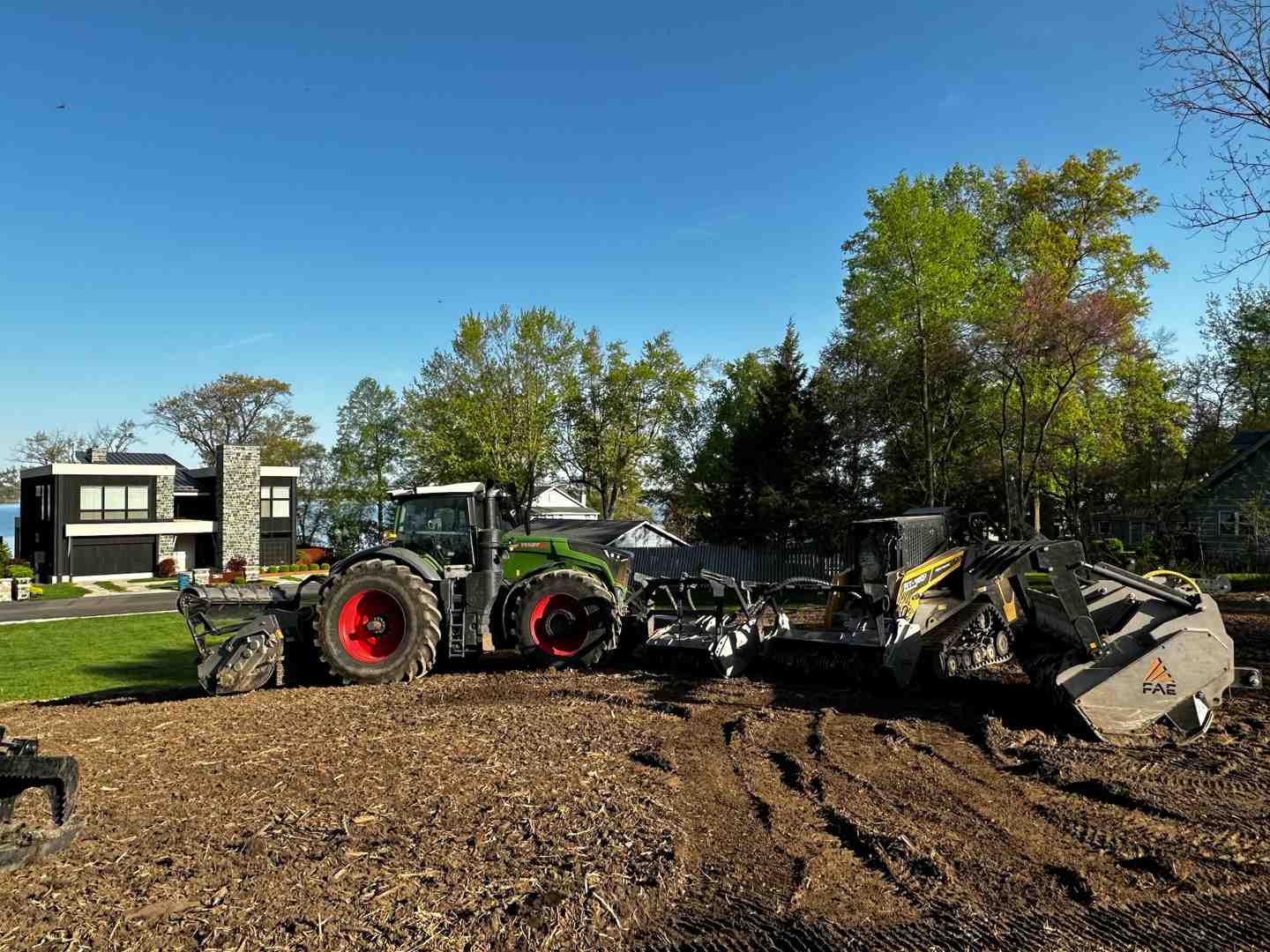
Land clearing trends are rapidly evolving as property owners seek more efficient, sustainable ways to manage overgrown land with less disruption and better long-term site stability. The industry is experiencing a fundamental change, moving away from the burn piles and bulldozers of the past toward eco-friendly alternatives that preserve soil health and minimize environmental impact. This shift is driven by stricter air-quality and stormwater requirements, improved equipment capability, and better outcomes for soil protection and site control.
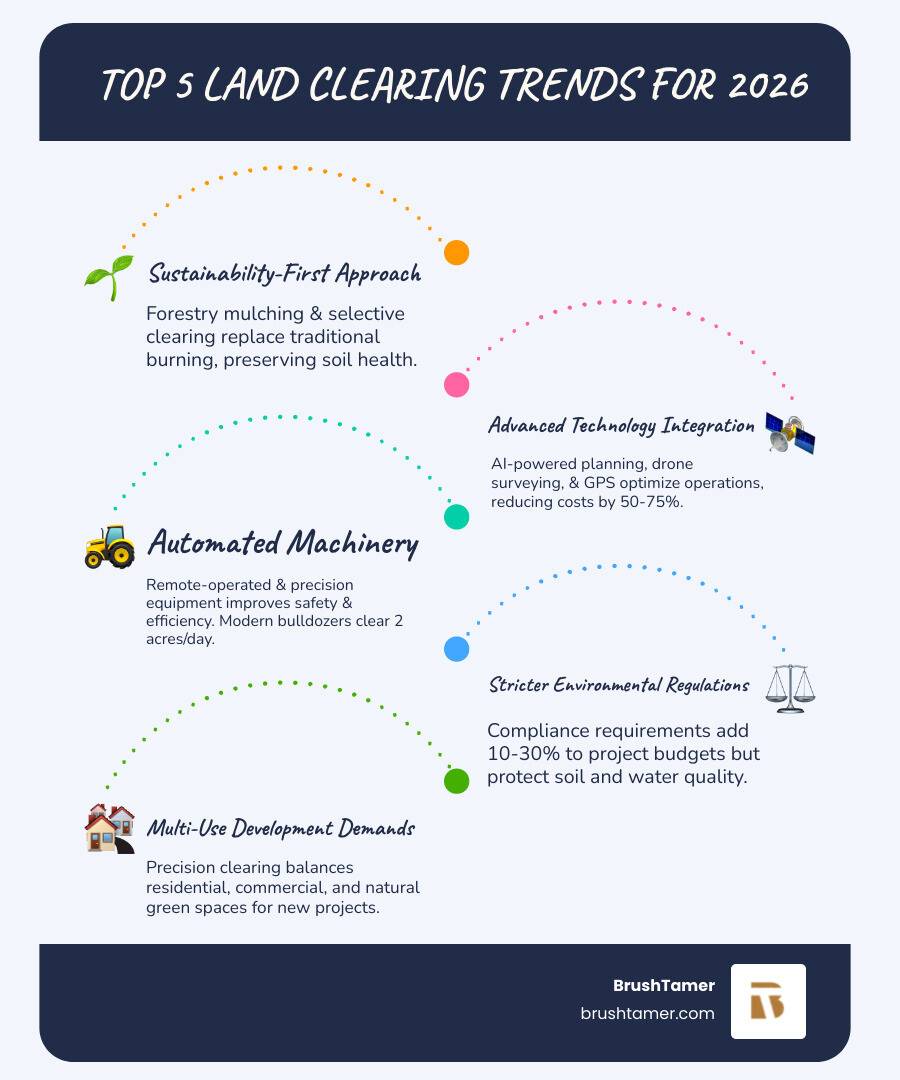
For property owners in Lower Michigan and Northern Indiana—from Grand Rapids and Kalamazoo to South Bend and Fort Wayne—these trends have direct implications. Key developments shaping the industry in 2026 include:
- A Sustainability-First Approach: Methods like forestry mulching are replacing traditional burning and clear-cutting.
- Advanced Technology Integration: AI-powered planning, drone surveying, and GPS-guided equipment are optimizing operations.
- Stricter Environmental Regulations: Compliance is now a major factor in project planning and budgeting.
- Rising Demand for Multi-Use Properties: Land needs precision clearing that balances residential, commercial, and natural spaces.
Whether you’re preparing land for construction in Ann Arbor, agriculture near Elkhart, or simply reclaiming overgrown areas, understanding these trends helps you make informed decisions. Equipment innovation continues to accelerate, with manufacturers focusing on safety, productivity, and reduced ground disturbance. These aren’t abstract statistics; they represent real-world advancements that affect your project’s timeline, cost, and long-term property value.
I’m Leon Miller, owner of BrushTamer, and I’ve spent years helping property owners across our region steer these evolving trends. My hands-on experience gives me a front-row view of how to leverage modern, sustainable practices for better outcomes on your land.
The Evolution of Land Clearing: From Traditional to Sustainable Practices
Land clearing has always been a fundamental step in development, whether for agriculture in Lafayette, IN, or new construction in Valparaiso, IN. Historically, the process was defined by brute force. Manual labor and early bulldozers were arduous, time-consuming, and often left significant environmental scars, leading to inefficiency, high costs, and safety risks.
The Drawbacks of Outdated Methods
Traditional land clearing practices like widespread dozing and burning carried substantial drawbacks that modern methods now solve:
- Soil Degradation and Erosion: Heavy machinery often strips away nutrient-rich topsoil, harming fertility and making future growth difficult.
- Air Pollution: Burning cleared vegetation releases smoke and greenhouse gases, contributing to air quality issues, a major concern in populated areas like South Bend, IN.
- High Debris Disposal Costs: Hauling or burning massive debris piles could account for a significant portion of a project’s budget.
- Habitat Destruction: Clear-cutting destroys local habitats and displaces wildlife, harming biodiversity.
- Regulatory Problems: Many outdated methods now face strict regulations or outright bans. Non-compliance in Michigan City, IN, or Noblesville, IN, can lead to hefty fines and project delays.
The Rise of Sustainable Land Management
Fortunately, the industry has accepted a sustainability-first approach, recognizing that responsible land management benefits both the environment and the property owner’s bottom line. This is now a core aspect of modern land clearing trends.
Modern solutions focus on creating an ecological balance, preserving soil health, and protecting biodiversity. Instead of destructive removal, the goal is thoughtful management. This is especially critical for properties near natural areas like the St. Joseph River in Niles, MI, or communities along Lake Michigan.
We achieve this through innovative, low-impact solutions:
- Forestry Mulching: This is our primary method for eco-friendly clearing. Our equipment grinds trees and brush into a layer of mulch on-site, returning valuable nutrients to the soil. This single-step process eliminates burn piles and reduces hauling by processing material on-site, while supporting soil cover and erosion control. Forestry mulching is a true game-changer.
- Selective Clearing: We remove only the necessary vegetation, preserving mature trees and desirable plants to maintain critical habitats and control erosion.
- Erosion Control: On sloped terrain or near water, we implement robust erosion control services to protect the land, a vital service in areas with varied topography like Angola, IN.
- Low-Impact Machinery: Our modern equipment is designed to minimize ground pressure, reducing the soil compaction caused by the heavy bulldozers of the past.
Technological Advances and Key Land Clearing Trends
The speed and precision of land clearing have been revolutionized by smarter machines and more intelligent planning. These technological advances are driving significant shifts in land clearing trends, making projects faster, safer, and more environmentally sound. The global land clearing attachment market is a testament to this, projected to reach $4.95 billion by 2034, growing at a 7.4% CAGR. North America is a major driver of this innovation.

The Dominance of Advanced Mulching Equipment
At the forefront of this technological shift is advanced mulching equipment. Forestry mulchers and grinders are powerful machines that process vegetation directly on-site, converting trees and brush into a beneficial layer of mulch. The advantages are clear:
- It eliminates the need for burning, reducing air pollution and fire risk.
- It removes the costly and time-consuming process of hauling debris away.
- The mulch left behind enriches the soil, improves moisture retention, and prevents erosion.
- What once took multiple steps—cutting, piling, hauling, burning—is now accomplished in a single, efficient pass, drastically cutting project time and labor costs for landowners in areas like Kalamazoo, MI, and Logansport, IN.
The Future is Automated and Precise
The future of land clearing is not just about power; it’s about intelligence. Automation and advanced controls are making equipment safer and more precise than ever before.
- Remote-Operated Equipment: Remote-operated equipment is increasingly used for steep slopes and hazardous access areas to keep operators out of the risk zone.
- GPS-Guided Precision Clearing: GPS technology allows for incredibly precise work, ensuring that only designated areas are impacted. This is invaluable for projects with strict boundaries, like right-of-way clearing or preparing land for specific developments.
- Improved Worksite Safety: By removing operators from potentially dangerous situations, remote-controlled and automated equipment significantly improve worksite safety, a top priority for our teams in Portage, IN, and Chesterton, IN.
Smart Planning with AI and Drones
Before any equipment touches the ground, technology is already at work making our projects smarter and more cost-effective.
- Drone Surveying for Accurate Assessments: Drones provide us with accurate, up-to-date aerial views of a property. This allows for precise measurements, identification of obstacles, and detailed terrain analysis, reducing surprises once work begins.
- Data Analysis for Cost Reduction: By utilizing advanced data from drones and satellite imagery, we can optimize our clearing operations. This pre-project analysis can identify hidden obstacles and soil conditions, leading to significant cost savings, especially on large or complex parcels in places like Fort Wayne, IN, and Ann Arbor, MI.
Navigating the Costs and Regulations of Land Clearing in 2026
When it comes to land clearing trends, understanding the financial and regulatory landscape is crucial. In 2026, the cost to clear land is a strategic investment influenced by vegetation, terrain, and increasingly, local government policies. For landowners in communities like Grand Rapids, MI, and Fort Wayne, IN, navigating these complexities requires expert planning.

Understanding the Cost to Clear Land Per Acre
Determining the cost to clear land isn’t a one-size-fits-all calculation. It depends heavily on the specific characteristics of your property.
- Lightly Wooded Land: Properties with light brush or scattered trees are generally less expensive to clear, typically costing $500–$1,500 per acre.
- Heavily Forested Tracts: Dense forests with numerous large trees, deep-rooted stumps, and rocks present a greater challenge. Clearing such land can cost $2,000–$5,600+ per acre.
- Average Costs for Agriculture & Forestry: For most agricultural or forestry projects, the average cost falls between $1,400–$5,600 per acre.
- Debris Disposal as a Major Cost Factor: With traditional methods, debris disposal was a significant expense, often making up 10–30% of a project’s total estimate. Modern methods like forestry mulching virtually eliminate this cost by processing all material on-site.
The Impact of Government Policies and Local Regulations
Government policies are increasingly shaping land clearing trends and costs. This regulatory framework is essential for responsible development.
- Navigating Permitting Requirements: Many clearing projects require permits from local or state authorities. These ensure compliance with environmental and zoning laws, a process we expertly manage for clients in Goshen, IN, and Angola, IN.
- Environmental Protection Laws: Regulations aimed at protecting habitats, preventing soil erosion, and safeguarding water quality are stricter than ever. Failure to comply can lead to significant penalties.
- How Regulations Affect Project Costs: These environmental mandates often require additional measures like erosion controls or buffer zones, which can add 10–30% or more to project budgets. This highlights the need for professional planning to avoid unexpected expenses and delays.
Cost-Effective Strategies for Modern Land Clearing
Our approach leverages modern strategies to ensure efficiency and value for your investment.
- The Value of a Professional Assessment: A thorough, on-site assessment is paramount. It allows us to accurately evaluate your land, understand your goals, and develop a custom plan that optimizes costs.
- Forestry Mulching to Eliminate Hauling Costs: Forestry mulching processes vegetation into nutrient-rich mulch directly on-site. This eliminates the need for expensive hauling and disposal, a win-win for your budget and the environment.
- Selecting a Qualified and Insured Contractor: Partnering with a reputable, insured contractor like BrushTamer ensures your project is handled professionally, safely, and efficiently, protecting you from unexpected liabilities.
The Future of Land Development: Multi-Use and Evolving Demands
Looking ahead, land clearing trends are increasingly shaped by the demand for versatile, resilient land use. The days of single-purpose development are giving way to integrated projects that reflect a broader understanding of community needs and environmental realities. This is particularly true in growing areas of Lower Michigan and Northern Indiana, such as Indianapolis, IN, and Grand Rapids, MI.
The Growing Demand for Multi-Use Land Development
Multi-use development, which blends residential, commercial, and recreational spaces, is a trend that improves quality of life and maximizes land value. This approach requires a nuanced approach to land clearing.
- Precision and Selectivity: Instead of bulldozing everything, this type of development demands precise and selective removal to preserve key natural features and create aesthetically pleasing transitions between different land uses.
- Creating Functional Green Spaces: Thoughtful clearing allows for the integration of parks, walking trails, and natural buffers. Our sustainable private land trails and trail building and maintenance services are perfectly suited for creating these amenities in communities like Ann Arbor, MI, or Elkhart, IN.
- Planning for Sustainable Growth: Multi-use development requires careful planning that considers long-term environmental impacts. Our services contribute by preparing land in an environmentally responsible manner from the outset.
Adapting to New Environmental Realities
The landscape itself is changing, and our land clearing practices must adapt. Across the U.S., we are seeing a significant shift in land disturbances, moving from predictable human-directed activities to more volatile “wild” events.
- Shift from Human-Directed to Wild Disturbances: Research shows a decline in disturbances from logging and construction and a rise in ‘wild’ disturbances from fire, wind, and vegetation stress. This trend is accelerating, as detailed in the research article A shift from human-directed to undirected wild land disturbances in the USA.
- Proactive Clearing for Wildfire Prevention: With this shift, proactive vegetation management is critical. Strategic clearing creates defensible spaces and reduces fuel loads, protecting homes and communities from potential wildfires.
- Storm Damage Cleanup: Increased storm activity means a greater need for efficient storm damage cleanup. Our teams are equipped to handle the aftermath of severe weather, restoring properties safely and quickly.
- The Role of Proactive Vegetation Management: This evolving reality underscores the importance of ongoing vegetation management. It’s not just about a one-time project; it’s about maintaining a safe and resilient landscape. Our vegetation management solutions are designed for this long-term approach.
Frequently Asked Questions about Modern Land Clearing
We encounter many questions from property owners in Lower Michigan and Northern Indiana looking to understand the latest land clearing trends. Here are some of the most common ones:
What is the most sustainable way to clear land?
The most sustainable method is forestry mulching. This process uses specialized machinery to grind vegetation directly where it stands, returning the material to the soil as nutrient-rich mulch. It avoids soil disturbance, eliminates the need for burning or hauling debris, prevents erosion, and enriches the topsoil. It’s an ideal method for projects from agricultural preparation in Rochester, IN, to creating a sustainable trail design in Buchanan, MI.
How much does it cost to clear one acre of land in Michigan or Indiana?
The cost varies significantly based on vegetation density, terrain, and accessibility.
- Lightly wooded or brush-covered land typically costs between $500 to $1,500 per acre.
- Heavily forested tracts with dense trees and stumps can range from $2,000 to over $5,600 per acre.
For an accurate estimate customized to your property in Nappanee, IN, or Sturgis, MI, a professional on-site assessment is essential to evaluate the unique aspects of your land.
How can technology reduce the cost of my land clearing project?
Technology reduces costs by increasing efficiency and improving planning.
- Precision Planning: Tools like drone surveying and satellite imagery allow for highly accurate pre-project assessments. This detailed planning minimizes wasted time and fuel by helping us select the most efficient equipment for the job.
- Efficient Machinery: Modern forestry mulchers complete the job much faster than traditional methods. By performing multiple steps in a single pass, they significantly reduce labor time and, most importantly, eliminate costly debris hauling and disposal fees.
Conclusion: Partnering for a Sustainable Future
As we’ve explored, land clearing trends in 2026 are defined by sustainability, technology, and efficiency. The era of destructive, indiscriminate clearing is behind us. Today, responsible land development demands a nuanced approach that prioritizes ecological health, leverages cutting-edge tools, and delivers measurable results. This shift is about smart economics, regulatory compliance, and maximizing the long-term value of your property.
For property owners in Lower Michigan and Northern Indiana—from the farmlands of Columbia City, IN, to the developing communities of Zionsville, IN—embracing these modern practices is essential. Navigating the complexities of costs, regulations, and environmental responsibilities requires an expert partner.
At BrushTamer, we are committed to utilizing advanced, sustainable methods that protect your land and deliver superior outcomes. Our expertise in forestry mulching, smart planning, and efficient execution ensures your project is completed safely, on time, and within budget.
Ready to apply today’s land clearing trends to your property with a plan built around soil protection, permitting, and long-term land use? Contact us today to schedule a site walkthrough and get a clear recommendation on the best clearing approach for your goals.